The essence of life lies within experiences, distinct from material possessions as they linger regardless of our location. The ongoing pursuit of maximizing these life encounters poses a daily challenge. Personally, traveling embodies my path to embracing life's richness. In my pursuit of traveling the world, which is not an easy task, I begin by immersing myself in the various locales within my homeland. Here are the 38 provinces I have visited in my country, Philippines!
Cordillera Administrative Region
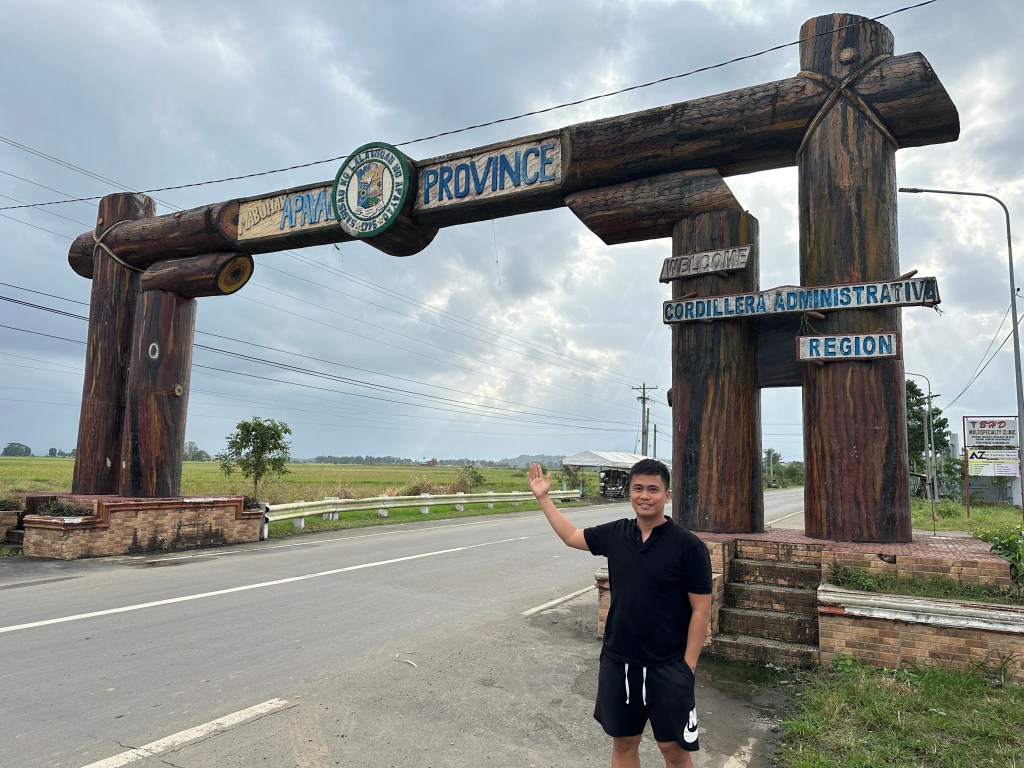
1.) Apayao
Apayao primarily focuses on agricultural output, specializing in the cultivation of essential food staples and industrial crops like rice (palay), corn, coffee, root crops, and various vegetables. Additionally, the province yields an assortment of fruits, including lanzones, citrus fruits, bananas, pineapples, durian, santol, rambutan, coconut, and mangosteen. Unique to the region are its exclusive natural attractions, distinguishing it as the "Cordillera's Last Frontier for Nature Richness."
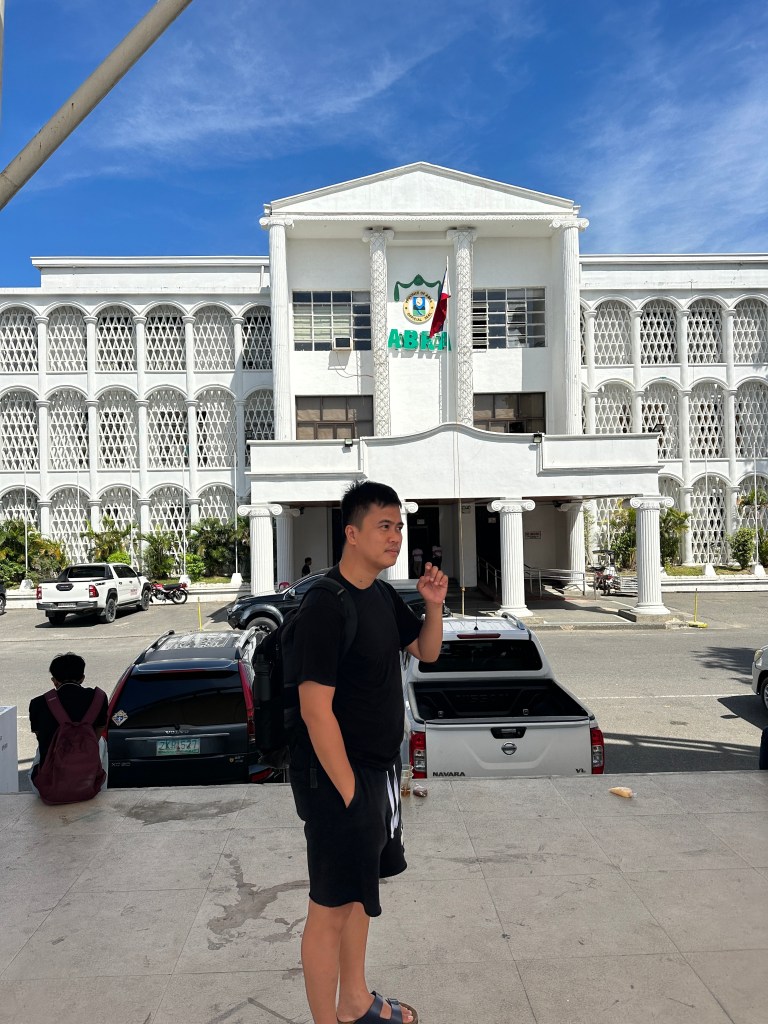
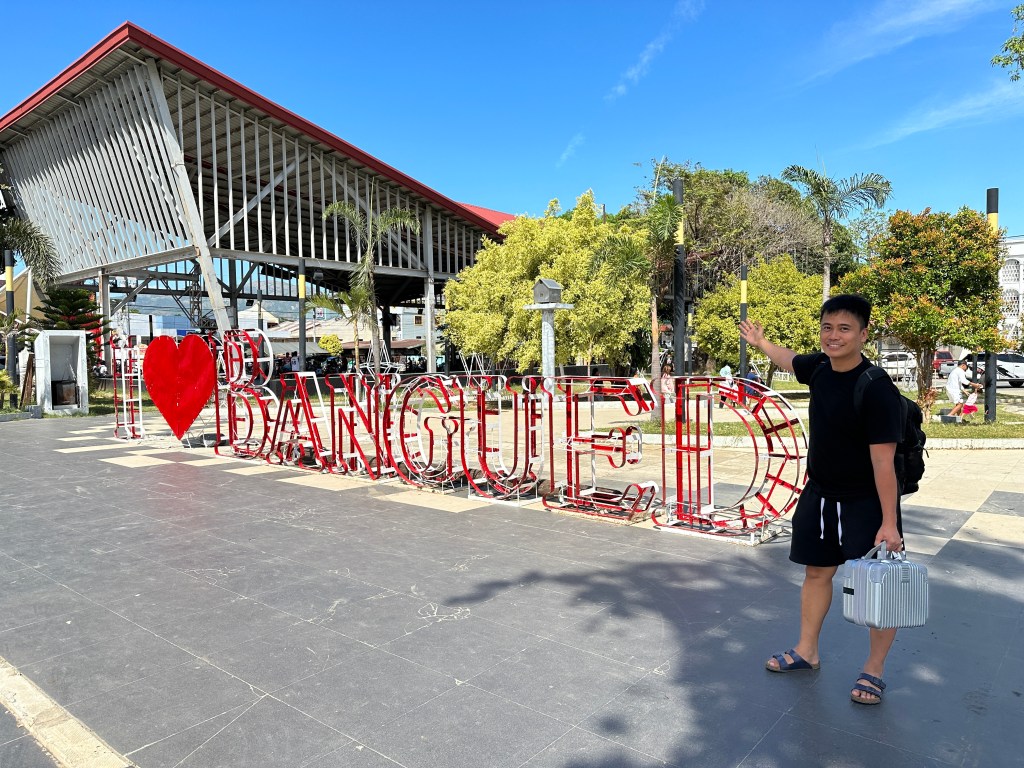
2.) Abra
Abra, situated in northern Luzon, Philippines, earns its moniker as the "Natural Dye Capital of the Philippines" due to its rich resources of natural dye-producing materials and traditional techniques passed down through generations by the indigenous Itneg/Tingguian people. They're known as loom-weavers. Serving as the province's capital, Bangued acts as the primary gateway for exploring the wonders within Abra. (Swipe below photo for more pictures)
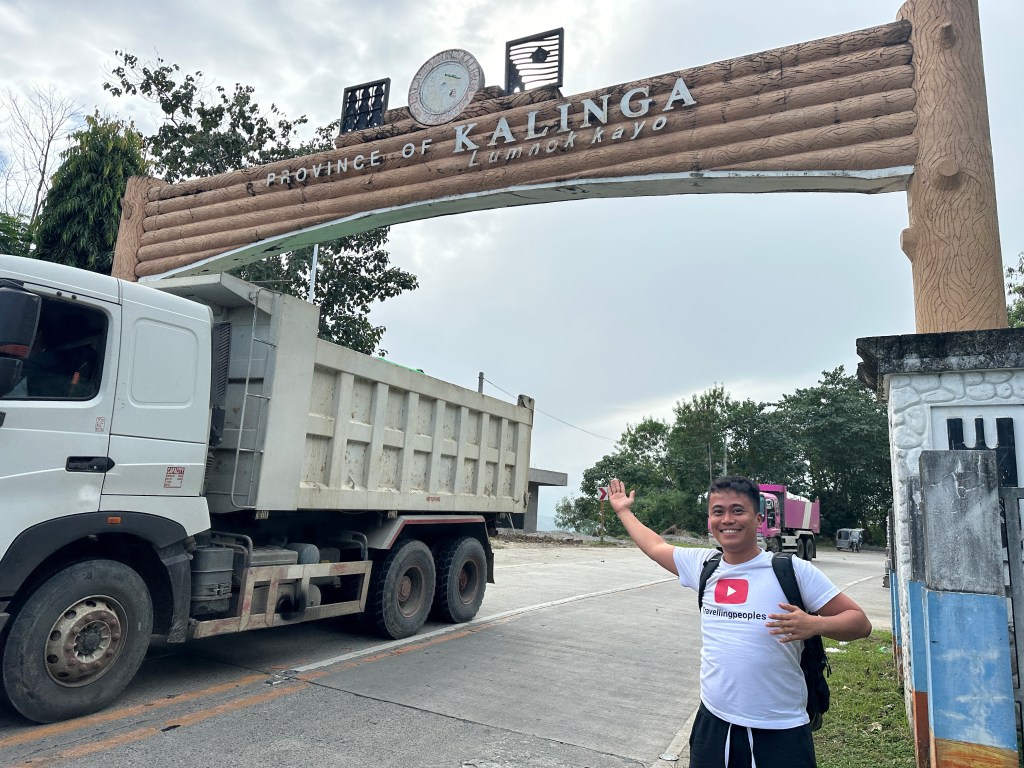
3.) Kalinga
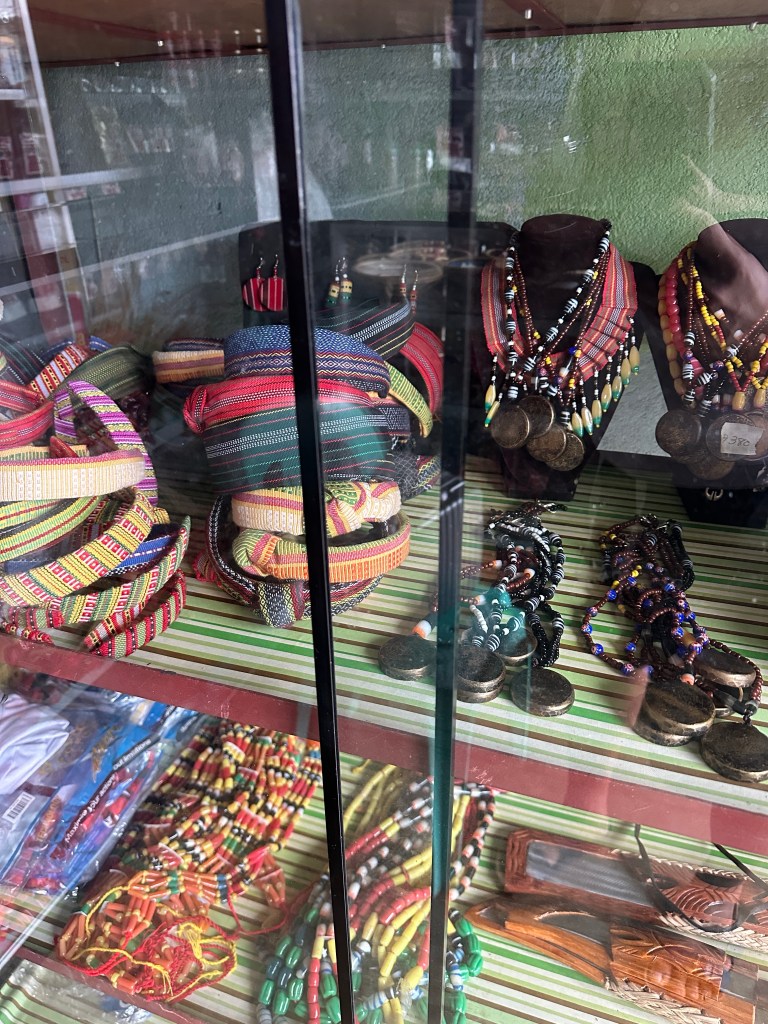
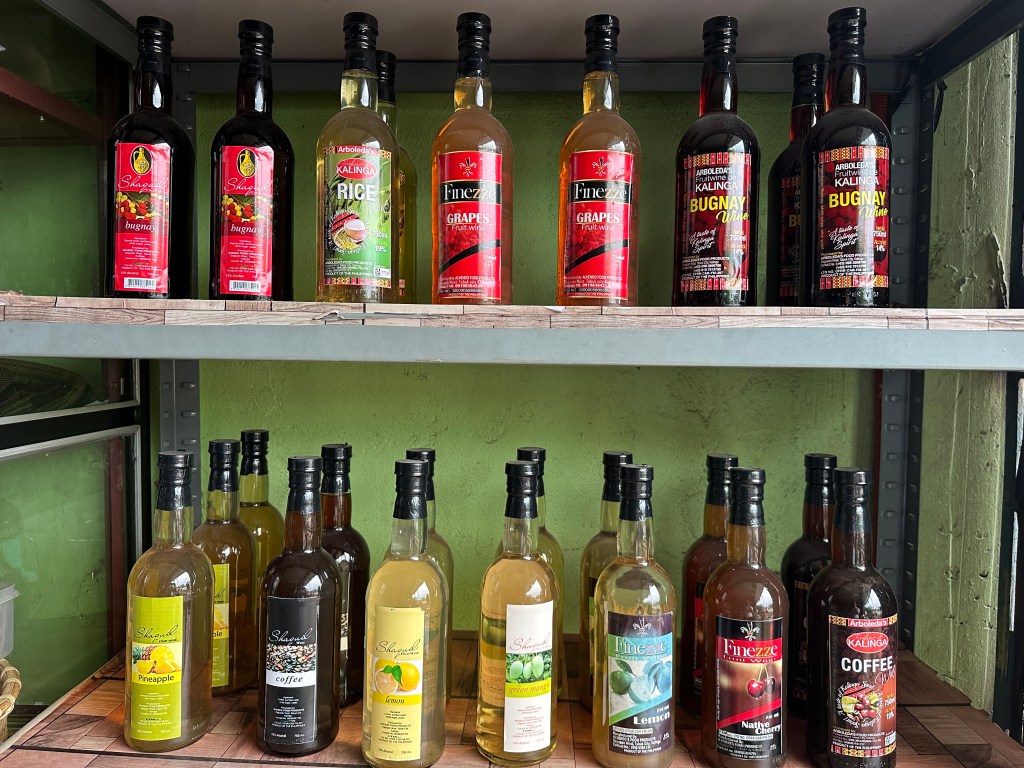
The Kalinga community is revered as the "strong people of the Cordilleras," esteemed for their resilience. Family and kinship hold paramount importance, shaping the core of Kalinga society through households, extended kin networks, and territorial regions. Historically, their standing was earned through various skills, notably headhunting, instilling fear in neighbors and invaders, leading to their name "Kalinga," rooted in the Gaddang and Ibanag languages, signifying "headhunter." Yet, the Kalinga take immense pride in their rich cultural heritage. Their expertise lies in crafting intricate hand-woven textiles and elaborate, colorful beaded jewelry. Celebrations are steeped in dance, traditional music, serving as expressions of gratitude and vital elements in preserving Kalinga culture. (Swipe below photo for more pictures)
4.) Benguet Province
Benguet shines as the home of Baguio City, famously known as the Summer Capital of the Philippines and a prime tourist spot. La Trinidad, the capital of Benguet, stands as a center for vegetable and strawberry cultivation. Visitors have the chance to personally gather fresh strawberries and vegetables from local farms at reasonable prices. With an abundance of strawberries, La Trinidad presents delectable strawberry-flavored treats like strawberry taho (a warm silken tofu dessert with sweet syrup and sago pearls), strawberry ice cream, and strawberry jam, all worth savoring during a visit. La Trinidad is also home to Botiwtiw and Sadjap (STOBOSA), a vibrant collection of colorful houses that resemble the favela murals of Rio de Janeiro, Brazil. (Swipe below photo for more pictures)
Region I: Ilocos Region
5.) Ilocos Norte
Agriculture stands as a key industry in Ilocos Norte, facilitated by its fertile lands and favorable climate, fostering the growth of diverse crops like rice, corn, tobacco, and garlic. The region is notably recognized for its garlic production, earning the title of the "Garlic Capital of the North." Additionally, handicrafts form a significant industry in Ilocos Norte, with the province celebrated for its traditional crafts encompassing pottery, weaving, and woodcraft. (Swipe below photo for more pictures)
6.) Ilocos Sur
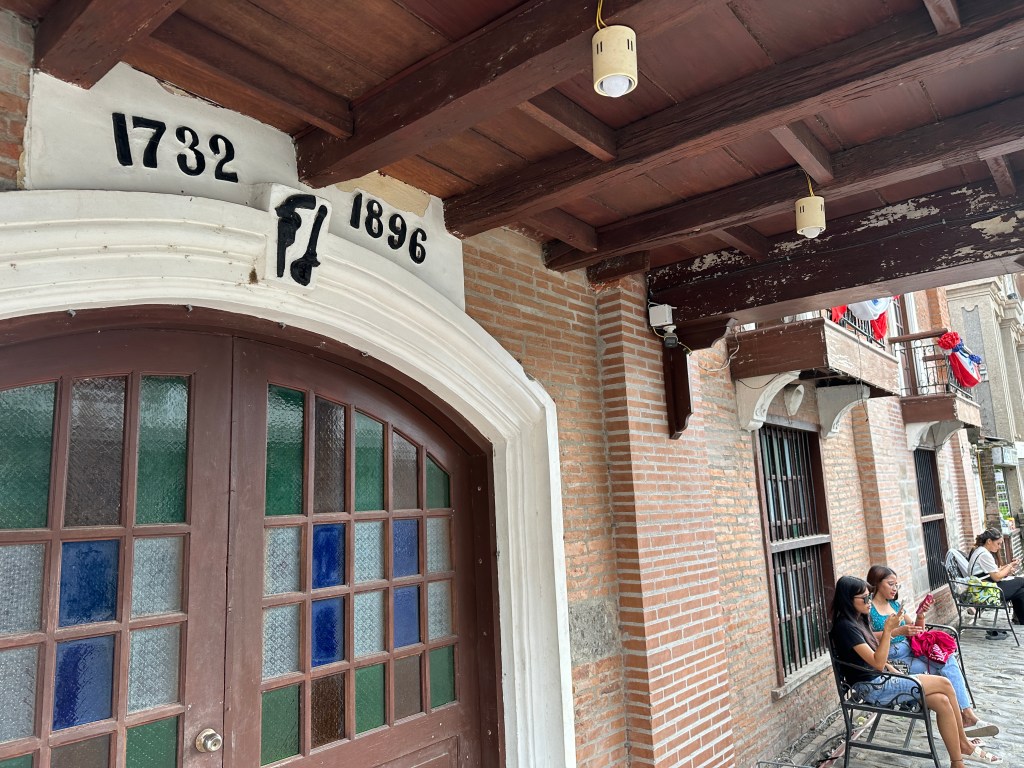
Ilocos Sur, situated within Luzon's Ilocos Region, stands out as a captivating province renowned for its rich history, vibrant culture, and stunning natural beauty. This region uniquely marries natural landscapes with remarkable man-made attractions. Its capital, Vigan, graces the banks of the Mestizo River, blending natural allure with historical charm. Entering Ilocos Sur means immersing oneself in a realm where history and modernity harmoniously coexist, where the liveliness of city life seamlessly integrates with the tranquility of nature. More than a mere geographic location, this province embodies a vibrant testament to the resilience and creativity of the Ilocano people. (Swipe below photo for more pictures)
7.) La Union
La Union, named "The Union," came into existence in 1850 through the amalgamation of towns from neighboring Provinces of Ilocos Sur, Pangasinan, and Benguet. This province boasts a rich history highlighted by ancient churches and revered pilgrimage sites. Renowned for the beach town of San Juan, it serves as the surfing capital of Luzon's west coast. However, beyond its captivating waves, La Union offers a myriad of experiences like stunning natural sites, heritage attractions, and an enticing food scene, that captivate visitors in this serene and culturally rich province. (Swipe below photo for more pictures)
8.) Pangasinan
Pangasinan, formerly dubbed the "Granary of the Philippines" and the "Garden of Luzon," boasts an array of charms: picturesque mountains and valleys, expansive beaches and rivers, a tapestry of rich traditions and cultural practices, and notably, the warm and family-centric Pangasinenses. This province offers popular attractions like the Hundred Islands National Park in Alaminos, the pristine white-sand beaches of Bolinao and Dasol, and Dagupan's vibrant Bangus Festival ("Milkfish Festival"). Moreover, Pangasinan is renowned for its succulent mangoes and the ceramic oven-baked Calasiao puto, a beloved native rice cake. (Swipe below photo for more pictures)
Region II: Cagayan Valley Region
9.) Cagayan Province
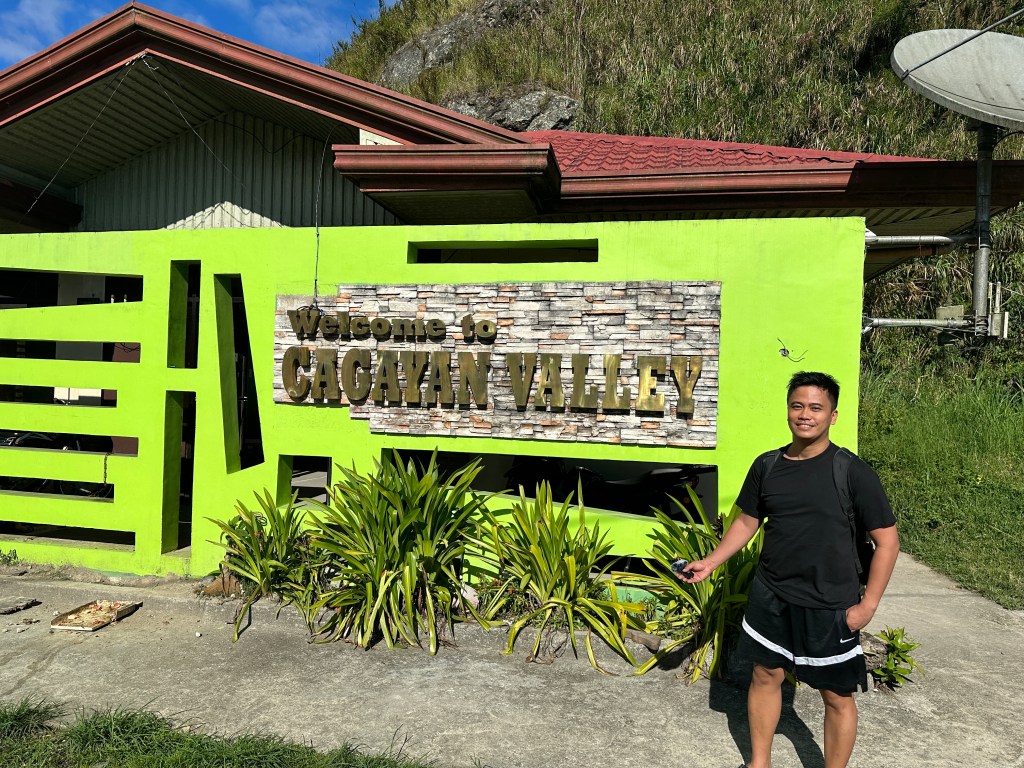
Cagayan, situated at the northernmost part of Luzon in the Philippines, is blessed with abundant natural resources and a dynamic populace living in well-structured communities, fostering an environment ripe for business growth. Serving as the Regional Seat of the Cagayan Valley Region, Tuguegarao, the capital, stands as the hub of commerce, trade, and education. This province boasts the largest marine fishing grounds and encompasses 73 percent of the region's potential fishpond area. Renowned as a paradise for spelunkers, trekkers, and game fishermen alike, Cagayan offers an endless array of adventures, placing ecotourism at the forefront of its offerings. (Swipe below photo for more pictures)
10.) Quirino Province
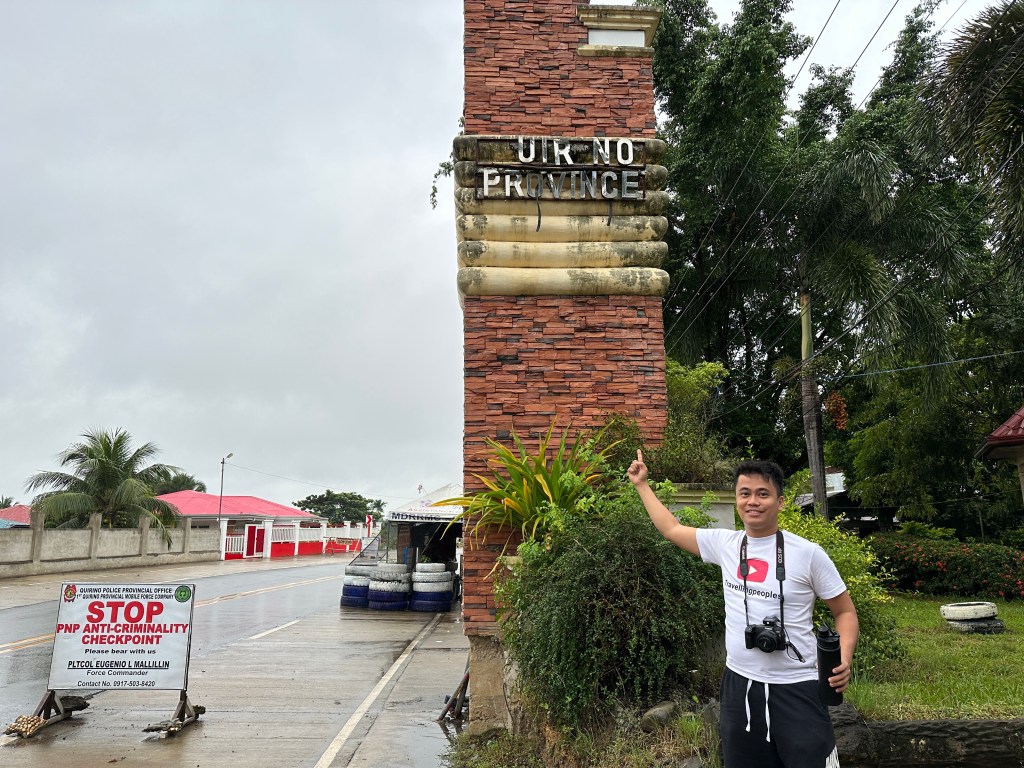
Quirino is the youngest province in Cagayan Valley Region. Referred to as the "Forest Heartland of Cagayan," this province is a haven for off-the-beaten-path explorers seeking eco-adventures. Its tourist attractions encompass mesmerizing waterfalls, intriguing rock formations, picturesque river gorges, exhilarating whitewater rapids, and captivating limestone caves, providing a diverse array of natural landmarks. Additionally, the province aims to allure outdoor sports enthusiasts by hosting an annual motocross competition and has plans for a forthcoming wakeboard park at the Provincial Capitol grounds of Cabarroguis. (Swipe below photo for more pictures)
11.) Nueva Vizcaya
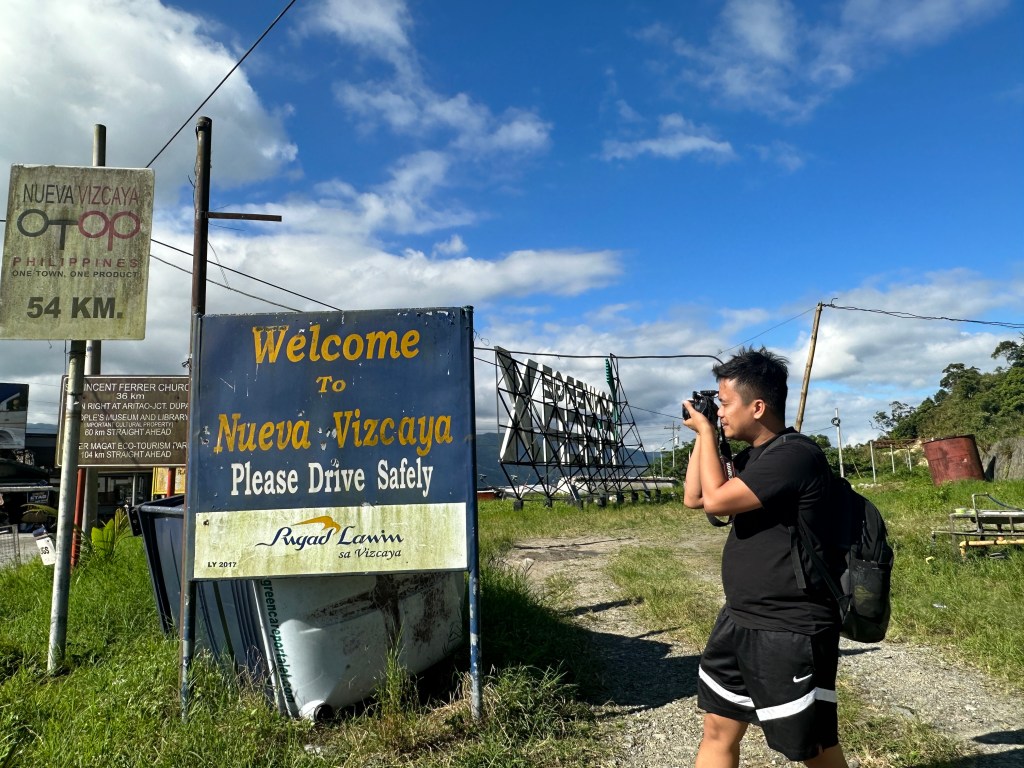
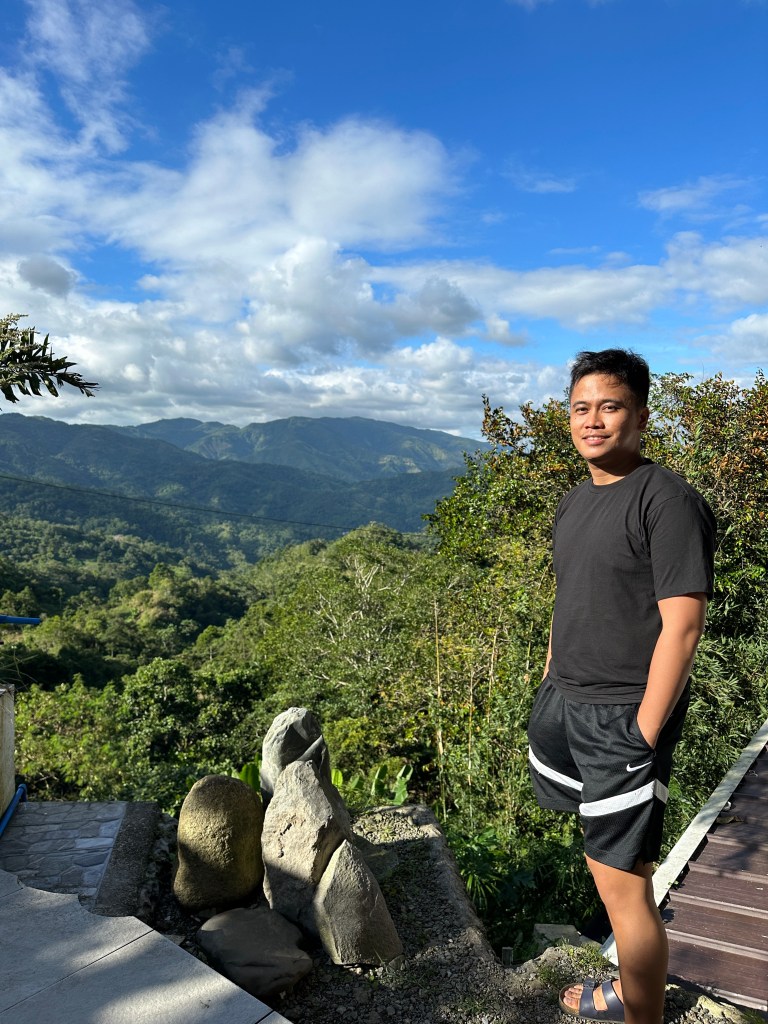
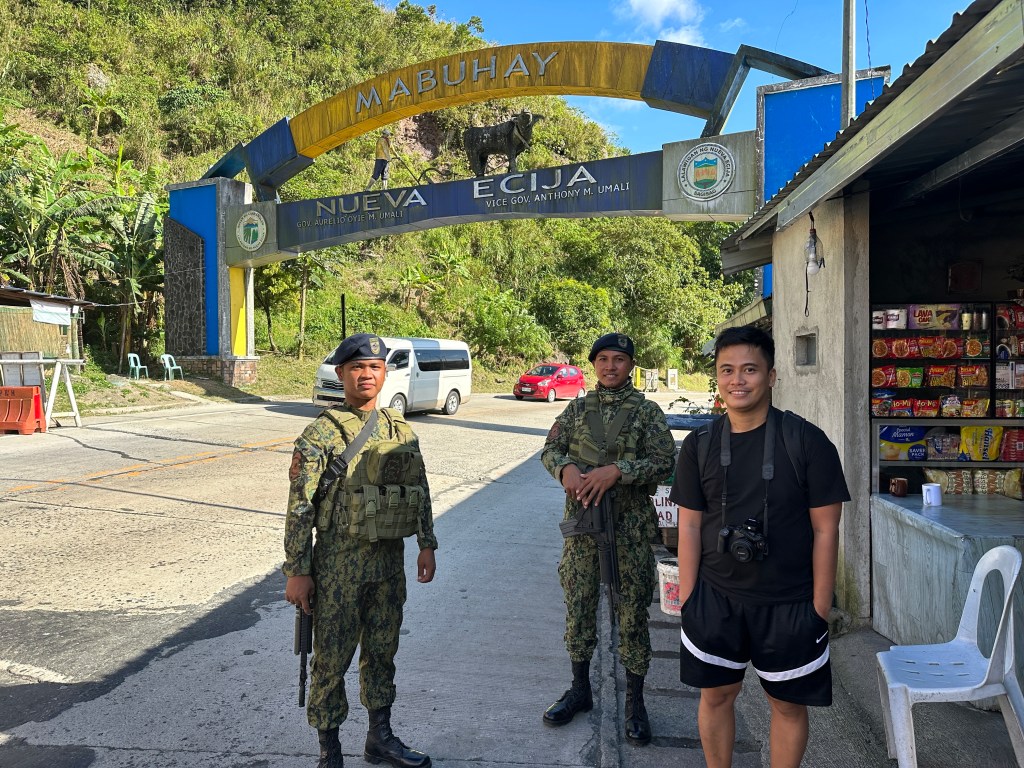
Nueva Vizcaya is recognized as a "Watershed Haven and Agro-Forestry" owing to its location within the Caraballo and Cordillera mountain ranges. Renowned as a primary producer of fruits and vegetables in the region, it boasts an agricultural economy supplemented by commerce, trade, and industry, which contribute significantly to its progress. Key economic activities in the province revolve around farming, as well as cattle and swine raising. Notably, Nueva Vizcaya yields high-quality onions and vegetables that are frequently marketed in Metro Manila. Additionally, oranges and mangoes have emerged as major crops, with fresh exports reaching various Asian countries. (Swipe below photo for more pictures)
12.) Isabela Province
Nestled among the vast plains of the Cagayan Valley Region and bordered by the formidable Sierra Madre and Central Cordillera mountain ranges, Isabela stands as a formidable province tucked away in the northeast corner of the Philippines. Spanning a land area of 1,066,456 hectares, it claims the title of the country's second-largest province. Isabela proudly carries the monikers "Rice Bowl of the North" and the "Corn Capital of the Philippines." Its economy heavily relies on agriculture, contributing to 80% of its income. Notably, the province is a major supplier of rice to prominent entities like Jollibee, Chowking, and SM malls, with Metro Manila sourcing 20% of its food supplies from Isabela. (Swipe below photo for more pictures)
Region III: Central Luzon
13.) Tarlac
Tarlac stands out as the most culturally diverse province in Central Luzon, hosting a blend of four distinct groups, the Pampangos, Ilocanos, Pangasinenses, and Tagalogs, who coexist harmoniously. This diverse community offers visitors a taste of the best cuisine from the ancestral regions of Bulacan, Nueva Ecija, Zambales, Pangasinan, and the Ilocos Region. Renowned for its exquisite culinary offerings and expansive sugar and rice plantations, Tarlac's rich culinary diversity stems from being the melting pot of Central Luzon. Beyond its culinary reputation, Tarlac boasts numerous historical sites, extensive plantations, including sugar and rice, and a meticulously designed golf course, among other attractions. Collectively, these elements make Tarlac one of the top destinations to explore in Central Luzon. (Swipe below photo for more pictures)
`14.) Zambales
Zambales, situated along the western coast of Luzon facing the West Philippine Sea, boasts pristine attractions that allure sun worshippers. The province hosts numerous coves and islands, including Anawangin Cove, Nagsasa Cove, Potipot Island, and Capones Island, among others. Additionally, Zambales is home to Subic, a prominent destination in the North. The active stratovolcano Mount Pinatubo, along with its summit and crater lake, lies within the Botolan area of Zambales, adding to its natural allure. Moreover, Zambales serves as a sought-after surfing destination, offering exhilarating waves at Crystal Beach Resort. Travelers can also delve into the exploration of Subic, once a former US Naval Base, which now offers diverse attractions and activities. (Swipe below photo for more pictures)
15.) Pampanga
Pampanga stands out for its rich culinary heritage and sophisticated culinary industry. Kapampangans are renowned for their culinary expertise, crafting a wide array of food products from the commonplace to the exotic. The name "Pampanga" originates from "pangpang," signifying riverbank, fitting for its landscape crisscrossed by numerous branches of the Pampanga River. Positioned in the southern Beyond its reputation as the gastronomic epicenter and culinary capital of the Philippines, Pampanga reveals a multifaceted identity. While celebrated for its delectable Kapampangan cuisine, the province holds a profound depth that extends beyond the realm of culinary delights.part of Luzon's central plains, the province thrives on farming and fishing as its primary industries. (Swipe below photo for more pictures)
16.) Nueva Ecija
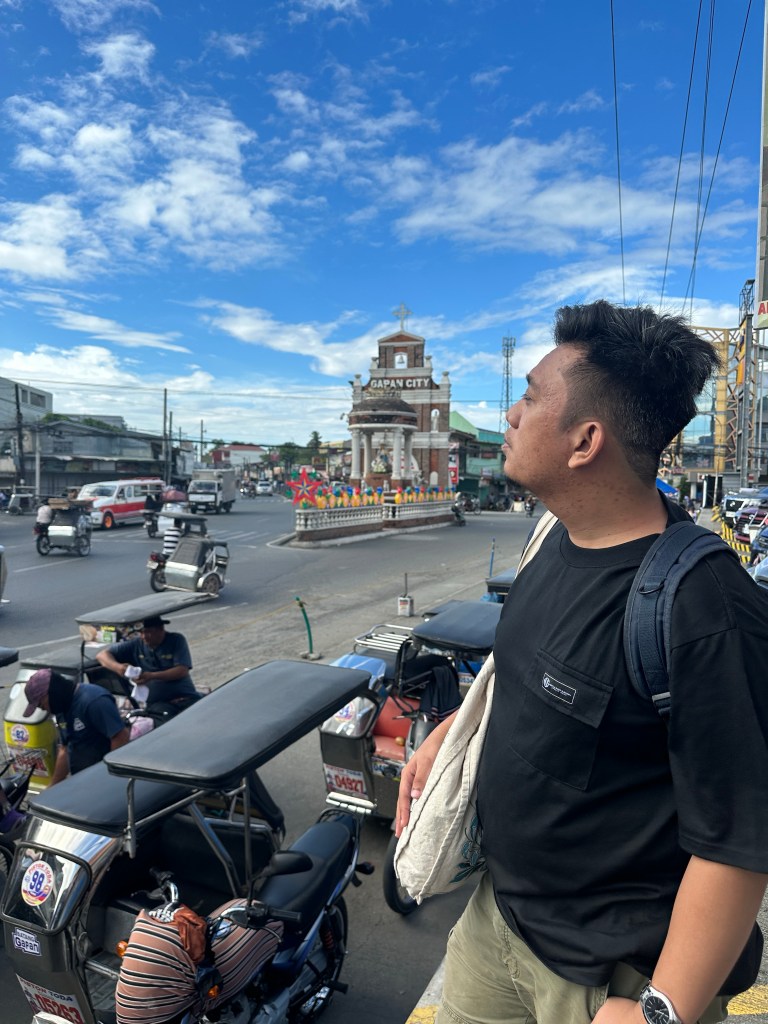
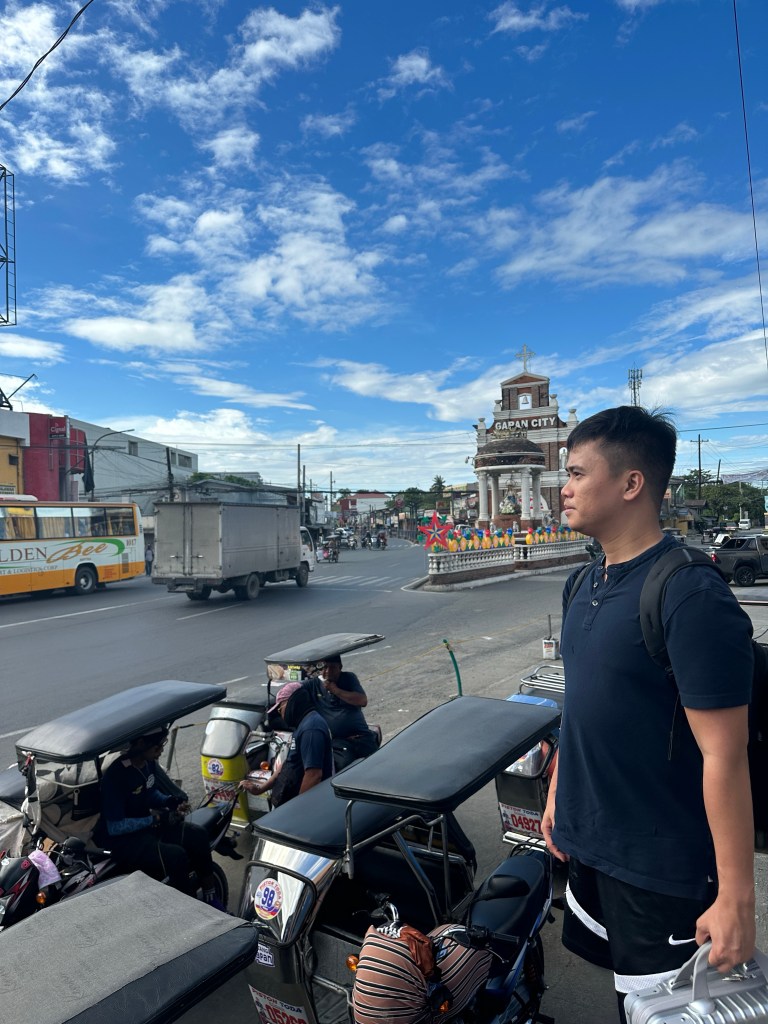
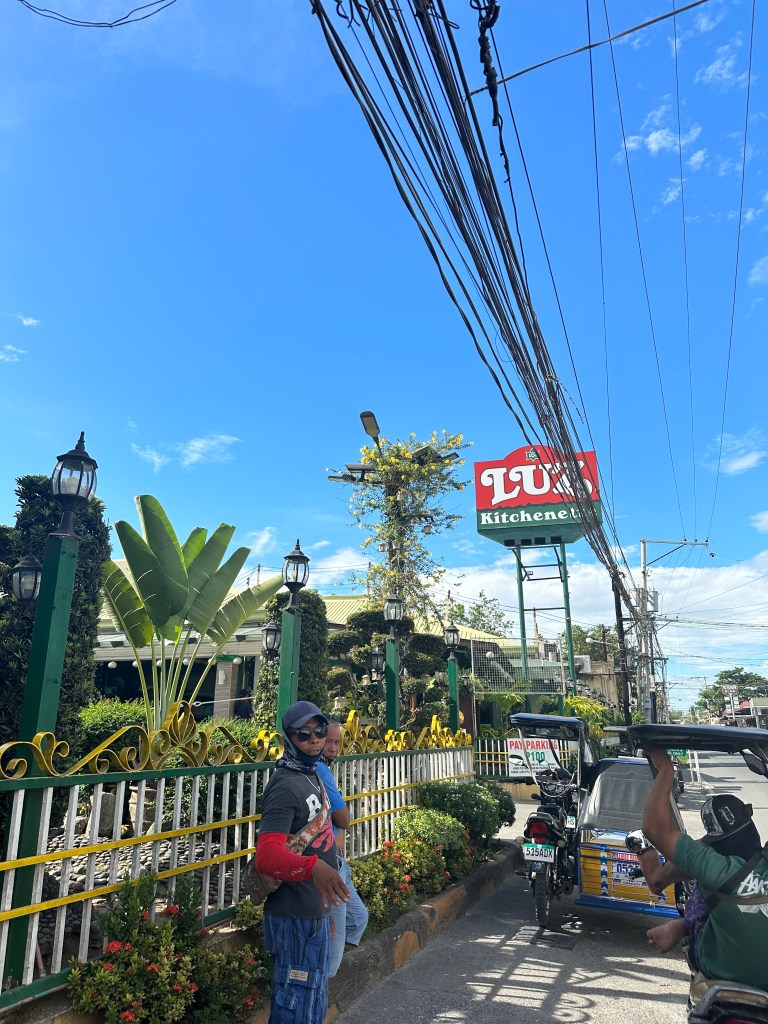
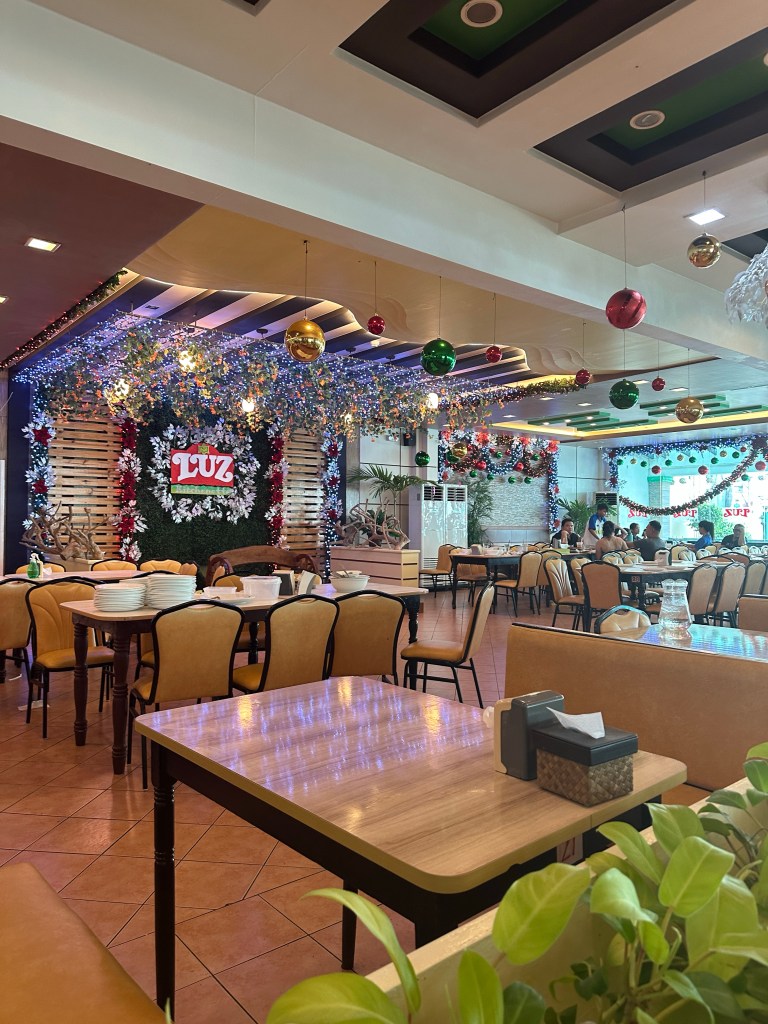
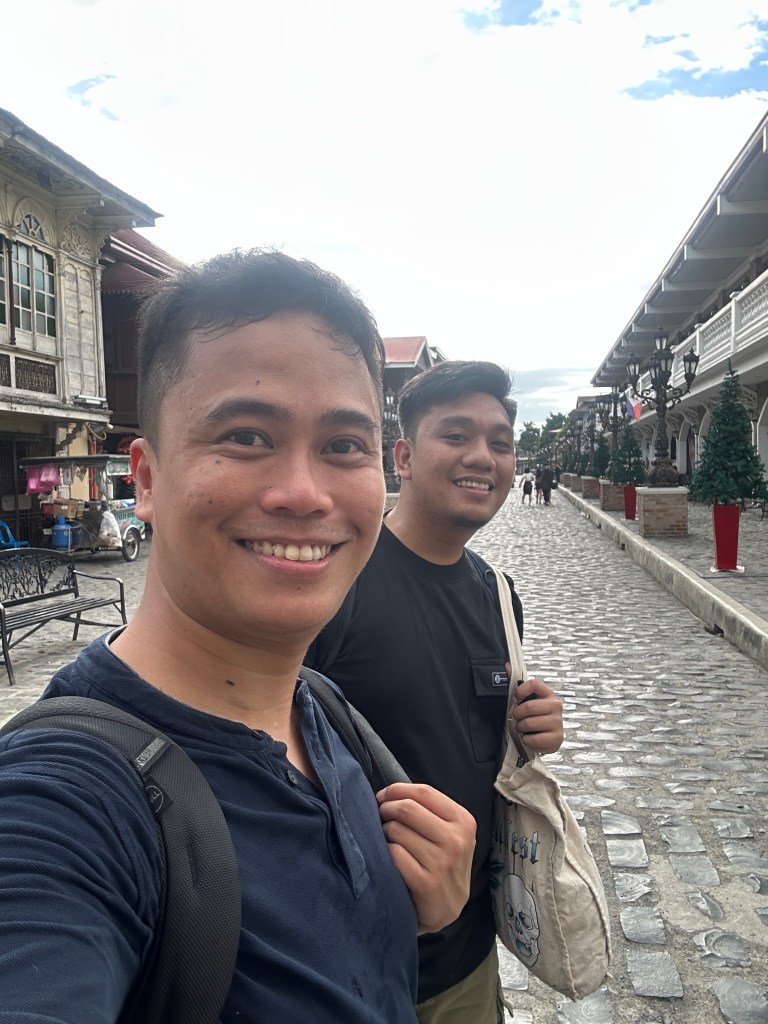
Nueva Ecija stands among the top agricultural producers in Central Luzon, earning its name from the Spanish invaders' hometown of Ecija in Spain. Geographically, the province shares borders with Bulacan, Pampanga, Tarlac, Pangasinan, Nueva Vizcaya, and Aurora. Recognized nationally as the Rice Granary of the Philippines, Nueva Ecija boasts expansive rice plantations and picturesque landscapes. This agricultural richness, combined with a diverse array of cuisine, traditions, and culture, contributes to the province's fine culinary offerings. Moreover, Nueva Ecija houses numerous historical landmarks and attractions, making it a standout destination in Central Luzon. Gapan City also features what locals refer to as "Little Vigan," adding to the province's cultural charm and appeal. (Swipe below photo for more pictures)
17.) Aurora
Aurora province is a treasure trove of tourist attractions, boasting historical sights like the former home and resthouse of Philippine President Manuel L. Quezon. The region is also home to a beautiful Catholic church and numerous historical markers. Its natural wonders encompass stunning waterfalls, verdant mountainsides, and breathtaking beaches. Visitors can partake in a multitude of activities such as surfing, snorkeling, scuba diving, mountain climbing, and trekking, making Aurora a haven for adventure seekers and nature enthusiasts alike. (Swipe below photo for more pictures)
18.) Bulacan
Bulacan embodies the heart and soul of the Philippines, steeped in history, tradition, culture, and a vibrant populace. It's a convergence of the past and present, seamlessly blending the old and new, rural landscapes and urban areas. Renowned as the land of heroes and beautiful women, Bulacan also thrives with progressive cooperatives and small to medium-scale industries. The province boasts exceptional craftsmanship in jewelry making, leather crafts, buntal hats, pyrotechnics, bone inlaid furniture, and garments. Moreover, Bulacan has evolved into a sought-after resort haven in Luzon. Just a short drive north of Manila, Bulacan's resorts offer accessible and welcoming escapes from the pressures of city life, providing a tranquil retreat for travelers and locals alike.
19.) Bataan
Bataan, an exquisitely picturesque province in the Philippines, boasts stunning mountainous terrain. Situated in western Luzon, between Manila Bay and the West Philippine Sea, Bataan stands out for its vibrant cultural and historical legacy, embodying warm Filipino hospitality. Its scenic landscapes feature lofty mountains adorned with captivating waterfalls, verdant valleys, and exotic beaches. As one of the Philippines' most sought-after destinations, Bataan delights tourists with an array of significant historical sites and an exciting spectrum of recreational activities. Visitors can immerse themselves in the province's rich history while enjoying various leisure pursuits, making Bataan a delightful haven for travelers seeking both cultural enrichment and outdoor adventures. (Swipe below photo for more pictures)
Region IV-A: CALABARZON
20.) Rizal
Rizal, nestled within the picturesque mountains of the Philippines, presents a tranquil haven that combines adventure, leisure, and cultural experiences. With its array of hiking trails, caves, waterfalls, and vibrant festivities, Rizal caters to nature lovers, history enthusiasts, and those seeking a delightful getaway with loved ones. Whether you're drawn to nature's beauty, historical exploration, or simply looking for a fun-filled retreat, Rizal's tourist spots offer an ideal destination to suit various interests and preferences. (Swipe below photo for more pictures)
21.) Laguna
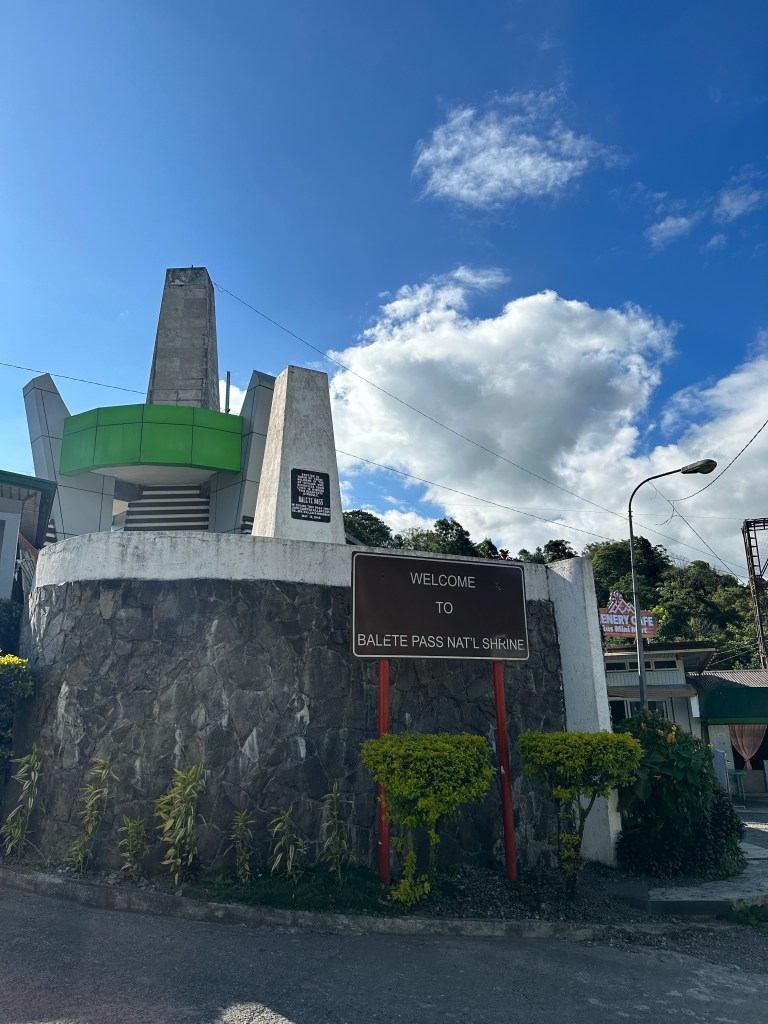
Laguna, my hometown, derives its name from the Spanish word "lago," signifying "lake." Renowned for being the birthplace of Jose Rizal, the national hero of the Philippines, Laguna holds a significant place in history. It was among the eight provinces that declared independence from Spain during the 19th century, led by Generals Paciano Rizal of Calamba, Severino Taiño of Pagsanjan, Miguel Malvar of Batangas, and Agueda Kahabagan of Calauan. Additionally, Laguna province encompasses Laguna de Bay, the largest lake in the Philippines. The lake's vast expanse is nearly entirely within the boundaries of the Laguna province, adding to the province's natural beauty and historical significance. (Swipe below photo for more pictures)
22.) Cavite
Cavite stands out as the hometown of prominent Filipino leaders like former President Emilio Aguinaldo. Beyond its historical significance, the province boasts a wealth of picturesque attractions, offering more than just historical sites. Visitors can immerse themselves in its captivating landscapes, explore charming coves, and unwind on beautiful beaches. Moreover, Cavite encompasses Tagaytay City, celebrated for its delightful climate, making it a sought-after destination for those seeking a pleasant and scenic retreat. (Swipe below photo for more pictures)
23.) Batangas
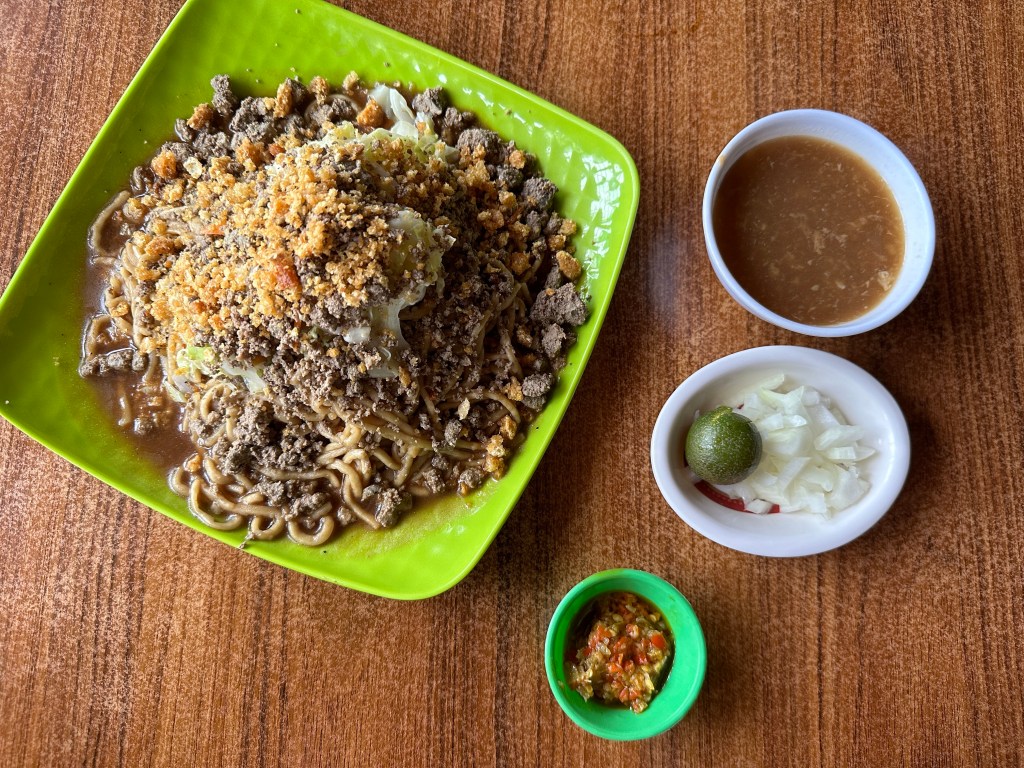
Batangas is renowned for its wide array of outdoor activities catering to beach lovers, mountain climbers, and history enthusiasts alike. It's a haven for adventure seekers and those seeking a historical journey. Additionally, the province is celebrated as a foodie paradise, boasting some of the Philippines' beloved delicacies such as lomi, bulalo, goto, and tawilis, which originated in this region. Whether indulging in outdoor adventures or savoring delightful local cuisine, Batangas offers an enriching experience for every visitor. (Swipe below photo for more pictures)
24.) Quezon
Quezon Province holds the esteemed title of being the Coconut Capital of the Country owing to its remarkable coconut production. The region boasts an abundance of coconut trees utilized in diverse ways. Among the prominent products stemming from Quezon Province is lambanog, a local wine crafted by fermenting coconut sap. This coconut-derived delicacy is a testament to the province's rich agricultural heritage and its ingenious use of natural resources.
Region IV-B: MIMAROPA
25.) Palawan
Palawan, among the Philippines' finest destinations, consistently earns its place as one of the world's top islands for compelling reasons. Its allure lies in pristine white sand beaches, crystal-clear azure waters, a breathtaking array of marine life, captivating shipwreck sites, and towering limestone cliffs. For enthusiasts of swimming, island-hopping, and diving, this expansive island province, the largest in the Philippines, is a must-visit. Palawan's charm spans over 1,700 unspoiled islands and islets scattered across its four main destinations: El Nido, Puerto Princesa, Coron, and San Vicente, each offering its own unique and captivating experiences for travelers seeking natural beauty and adventure. (Swipe below photo for more pictures)
26.) Oriental Mindoro
Oriental Mindoro's fertile land supports thriving agriculture, yielding abundant crops like rice, corn, coconut, various vegetables, and an array of fruits such as calamansi, banana, rambutan, marang or uloy, lanzones, and durian. This agricultural richness has earned Oriental Mindoro the distinction of being the Rice Granary and Fruit Basket of Southern Tagalog. Within the MIMAROPA region, the province showcases a wealth of stunning natural attractions, cultural heritage sites, and lively festivals that encapsulate its rich history and diverse culture. Notable spots include Tamaraw Falls, Puerto Galera, Sablayan Parola Park, Apo Reef, and many more, drawing visitors to experience the province's natural beauty and vibrant cultural tapestry. (Swipe below photo for more pictures)
Region V: Bicol Region
27.) Camarines Sur
Camarines Sur stands as the heart of Bicol, housing more than a third of the region's population while deeply rooted in tradition and culture. It shares borders with Quezon and Camarines Norte to the northwest and Albay to the southeast. The province spans an angled landscape, divided into two coastal regions: the northern coast along San Miguel Bay, the Pacific Ocean, and Lagonoy Gulf, and the southern coast along Ragay Gulf. Camarines Sur serves as a hub for religious observances that unite all Bicolanos, known for their deeply rooted devotion to Roman Catholicism. Among the people in the Philippines, Bicolanos stand out as among the most fervently dedicated followers of the Roman Catholic faith. This strong religious fervor is a significant aspect of their cultural identity, and Camarines Sur, in particular, plays a central role in these religious practices and observances that resonate throughout the region. (Swipe below photo for more pictures)
28.) Albay
Albay province, nestled within the Bicol region, gains recognition as the residence of the iconic Mayon Volcano, celebrated as one of the Philippines' most exquisite and most active volcanoes. Legazpi City, its capital, serves as the primary access point to Albay's top tourist attractions and serves as a gateway to other notable destinations within the Bicol region. Nearby destinations, such as Sorsogon, are renowned for activities like whale shark watching in Donsol, contributing to the allure of this region for tourists seeking diverse and captivating experiences. (Swipe below photo for more pictures)
Region VI: Western Visayas Region
29.) Negros Occidental
Negros Occidental, recognized as the "Sugar Bowl of the Philippines," boasts expansive haciendas adorned with sprawling sugar cane plantations. Beyond its remarkable tourist attractions and substantial sugar production, the province presents a diverse range of industries and opportunities. Negros Occidental is a hub for various sectors, including marine industries, cottage industries, bottling plants, power generation, prawn culture, steel fabrication, aquaculture ventures, agribusiness, and BPO industries. This diverse economic landscape showcases the province's multifaceted contributions to agriculture, manufacturing, technology, and services, highlighting its significance and potential in various sectors. (Swipe below photo for more pictures)
30.) Aklan
Aklan stands out primarily for Boracay, a renowned resort island situated just a kilometer north from Panay's tip. Famous for its pristine white sandy beaches, Boracay is considered one of the Philippines' most prominent and sought-after destinations. Additionally, the Kalibo Sto. Niño Ati-atihan Festival has gained global recognition, earning the title "The Mother of all Philippine Festivals." This annual feast, held every January in honor of the Sto. Niño (Infant Jesus), culminates on the third Sunday. The festival is a vibrant celebration featuring tribal dances along the town's main streets, accompanied by ethnic music, and participants adorned in indigenous costumes and gear, offering a captivating display of cultural richness and tradition. (Swipe below photo for more pictures)
31.) Ilo-ilo
Iloilo is a treasure trove of historical landmarks, charming beaches and islands, heritage homes, and a distinctive and delightful cuisine. Its picturesque natural wonders combined with the warm and welcoming locals create an inviting destination that feels like a second home. Whether exploring its rich history or indulging in its unique culinary offerings, Iloilo promises an immersive and memorable experience that captures the hearts of its visitors. (Swipe below photo for more pictures)
Region VII: Central Visayas Region
32.) Negros Oriental
Negros Oriental boasts some of the most captivating natural landscapes and adventure destinations on the island. The province features an abundance of waterfalls and volcanic lakes, offering trekking opportunities for outdoor enthusiasts. Mount Talinis and Canlaon Mountain stand out for their journeys to concealed calderas, traversing remarkable tropical forests and offering breathtaking vistas. These treks reward adventurers with immersive experiences amid stunning natural beauty and panoramic views that make for unforgettable journeys.
33.) Bohol
Bohol is renowned for its iconic Chocolate Hills, named for the brown hue the grass-covered limestone hills take on during the dry season. These unique formations can be viewed in two ways: by climbing the highest point to witness them from land or through air tours offering aerial perspectives. Additionally, the Philippine tarsier, locally known as "mawumag" in Cebuano and other Visayan languages and "magô" in Waray, is a distinct species of tarsier exclusive to the Philippines. These captivating creatures inhabit the southeastern part of the archipelago, primarily found on Bohol Island, adding to the region's allure and biodiversity. (Swipe below photo for more pictures)
34.) Cebu
Cebu, renowned for its picturesque beaches, stands as a bustling tourist destination in the Philippines. It's particularly favored among those seeking underwater attractions, given its incredible diving opportunities. Additionally, the island boasts a wealth of Spanish Colonial architecture, cinematic forts, and historically significant religious sites. This blend of natural beauty, cultural heritage, and historical landmarks makes Cebu a captivating and multifaceted destination catering to a wide array of tourist interests. (Swipe below photo for more pictures)
Region 8: Eastern Visayas Region
35.) Leyte
Leyte province boasts several remarkable attractions, including the breathtaking Kalanggaman Island adorned with its white powdery sand beach. The province is also home to the country's longest bridge and holds significance as a historical World War II site. In addition to these highlights, Leyte stands out as a top destination for diving enthusiasts, offering vibrant underwater experiences. The province is adorned with captivating waterfalls and boasts numerous stunning beaches, making it a haven for nature lovers and adventurers seeking diverse and awe-inspiring landscapes.
Region 9: Zamboanga Peninsula
36.) Zamboanga del Sur
Zamboanga, known as Asia's Latin City, the Sardine Capital of the Philippines, and the City of Flowers, is a thriving urban center situated in the southwestern part of the Philippines. The city's name, Zamboanga, is believed to have originated from the Malay term "Jambangan," translating to "flower garden," which reflects its moniker as the City of Flowers. Additionally, it's recognized as Asia's Latin City due to the lingering Hispanic influences apparent in the preserved Spanish-colonial establishments that still dot the area, showcasing the enduring cultural and architectural heritage from the Spanish colonial period. (Swipe below photo for more pictures)
Region XIII: Caraga Region
37.) Dinagat Islands
The Dinagat Islands are renowned for their diverse natural resources, including metallurgical-grade chromite, magkono (Philippine ironwood), and abundant fishing grounds. Unfortunately, the region has experienced resource degradation, exacerbated by economic and socio-political challenges within the province, alongside extreme weather conditions. Despite these challenges, Dinagat Islands boast numerous captivating white sandy beaches adorned with colossal rock formations. These attractions and sites mirror the islands' diverse topography, offering visitors a wide array of stunning landscapes to explore and enjoy. (Swipe below photo for more pictures)
38.) Surigao Del Norte
Surigao del Norte proudly showcases lush virgin forests, extensive white sand beaches featuring world-class surfing spots, stunning rock formations, and diverse marine life. Notably, the province is abundant in natural resources, holding significant deposits of nickel, gold, chromite, iron, gravel and sand, limestone, and silica. This wealth of natural resources contributes to the region's economic landscape and adds to its allure as a destination offering both stunning natural beauty and potential industrial significance. (Swipe below photo for more pictures)

































No comments:
Post a Comment