Trains systems play a crucial role in the transportation sector, offering a sustainable and efficient mode of travel for millions of people worldwide. In many countries, these systems are not only a means of moving people and goods from one place to another, but they also contribute significantly to the economic development of regions. By providing convenient and reliable transportation options, train systems help reduce traffic congestion, lower carbon emissions, and improve overall air quality. Additionally, they often serve as a catalyst for urban development, promoting connectivity and accessibility while reducing reliance on private cars. These factors underscore the importance of continued investment and innovation in train infrastructure to meet the growing demands of modern society. 12 Trains Systems in the World that we already explored!
1.) Bangkok
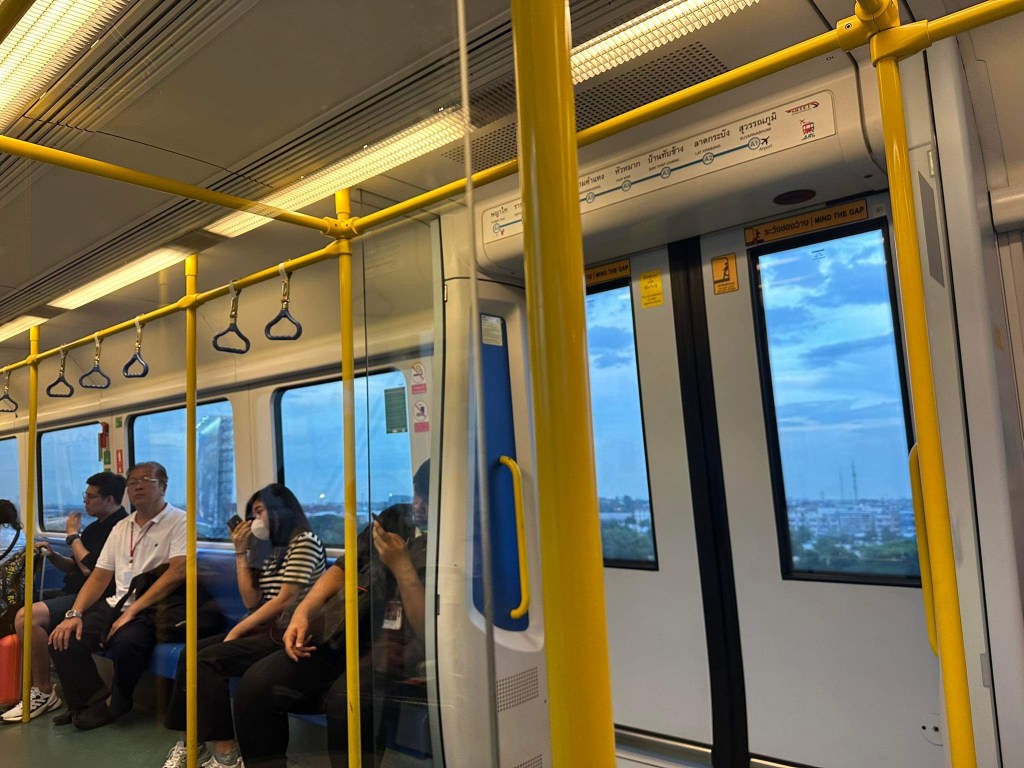
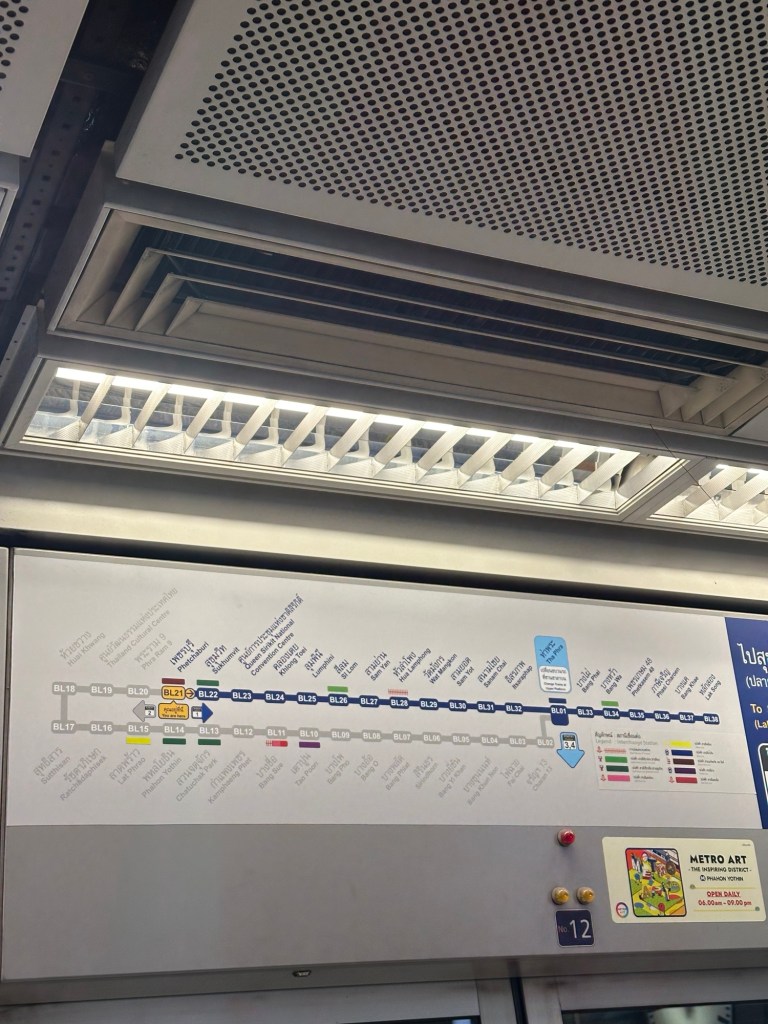
Bangkok's train system is an essential part of the city's transportation network, comprising several lines that connect various parts of the city and its outskirts. The first line, the Bangkok Skytrain (BTS), opened in 1999 and has since expanded to cover multiple routes spanning the urban core and extending to the suburbs. In addition to the BTS, the Mass Rapid Transit (MRT) system provides an underground rail network, offering an alternative means of travel for commuters and visitors alike. With more lines and extensions planned for the future, the Bangkok train system continues to evolve to meet the growing demands of the city's population and its dynamic urban landscape. (Swipe below photo for more pictures)
2.) Hong Kong
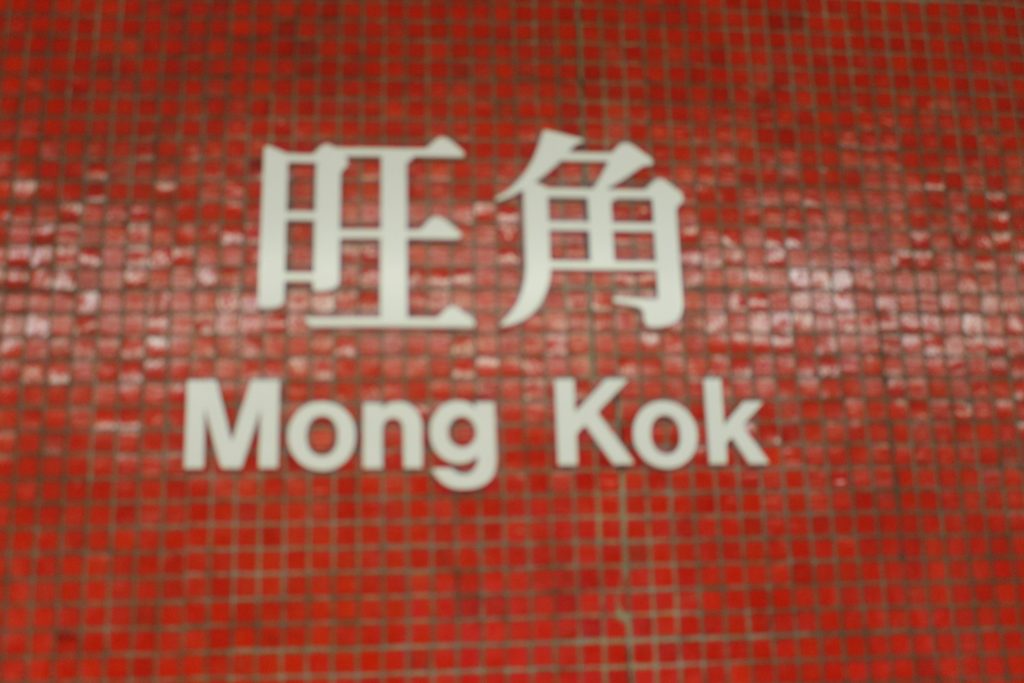
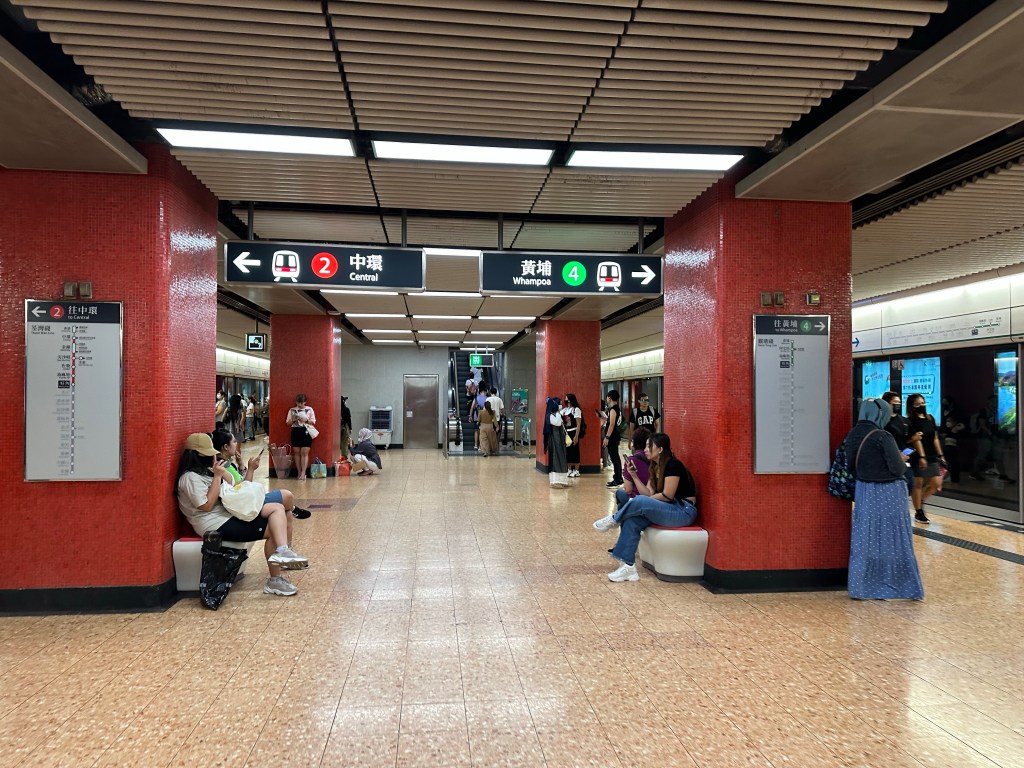
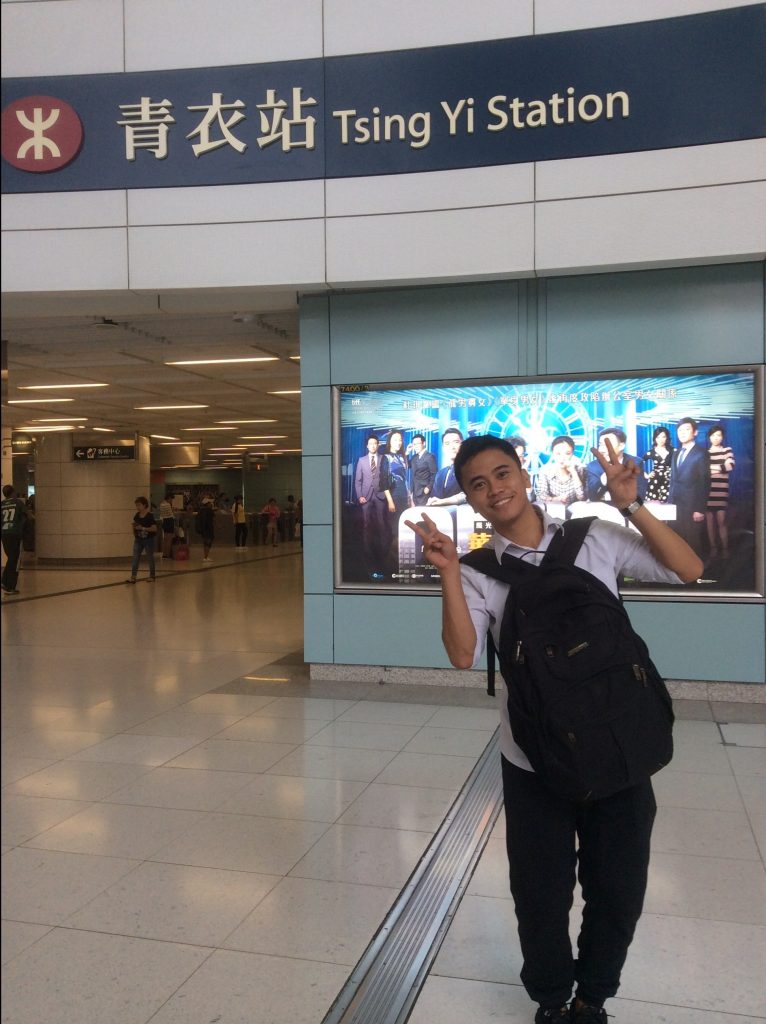
Hong Kong's efficient and extensive train system, known as the Mass Transit Railway (MTR), boasts an impressive network of 11 lines spanning the urban and suburban areas of the city. Established in 1979, the MTR has since undergone significant expansion and modernization, contributing to its status as one of the most reliable and convenient public transportation systems in the world. The MTR not only connects major districts within Hong Kong but also provides access to various attractions and landmarks, making it an integral part of the city's infrastructure and a preferred mode of travel for locals and visitors alike. (Swipe below photo for more pictures)
3.) Kuala Lumpur
Kuala Lumpur's train system, also known as the KTM Komuter, plays a crucial role in the city's transportation network. With its extensive network comprising three main lines, the train system serves as the backbone of urban mobility, connecting various parts of the city and its outskirts. The KTM Komuter has a rich history dating back to its establishment in 1995, and it has since undergone significant expansion and modernization to meet the growing demands of the city's population. The system continues to evolve, with plans for further expansion and improvements to ensure efficient and sustainable public transportation for residents and visitors alike. (Swipe below photo for more pictures)
4.) London
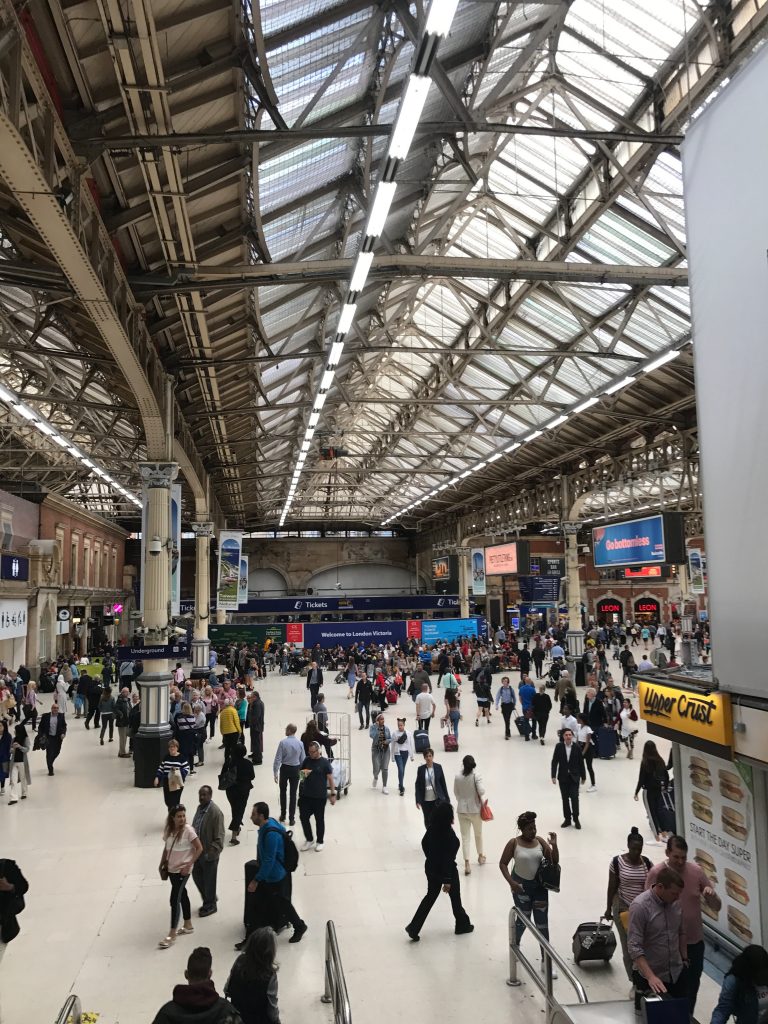
The London Train System, also known as the London Underground or the Tube, is one of the oldest and most extensive metro systems in the world. It is operated by Transport for London (TfL) and consists of 11 lines serving 270 stations across Greater London. The history of the London Underground dates back to 1863, making it the first underground railway system in the world. Over the years, the network has expanded to accommodate the growing population and demands of the city, with iconic stations such as King's Cross St Pancras, Waterloo, and Bank serving as major transport hubs. The system plays a vital role in the daily lives of Londoners and visitors alike, providing a convenient and efficient way to navigate the bustling metropolis. (Swipe below photo for more pictures)
5.) Macao
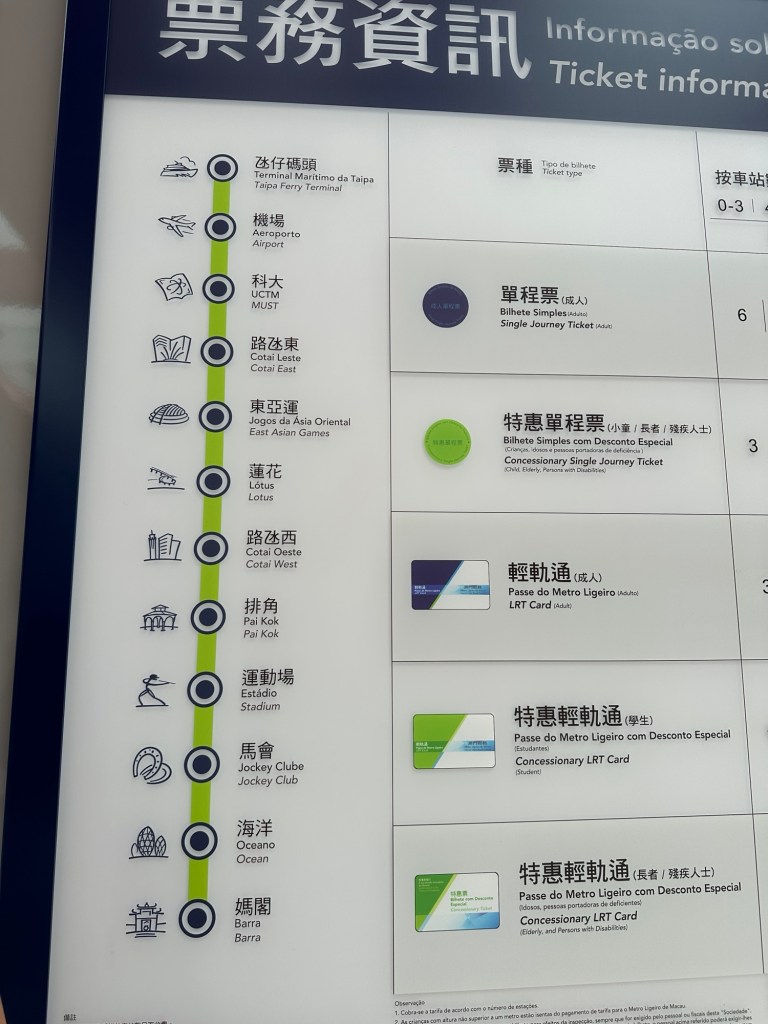
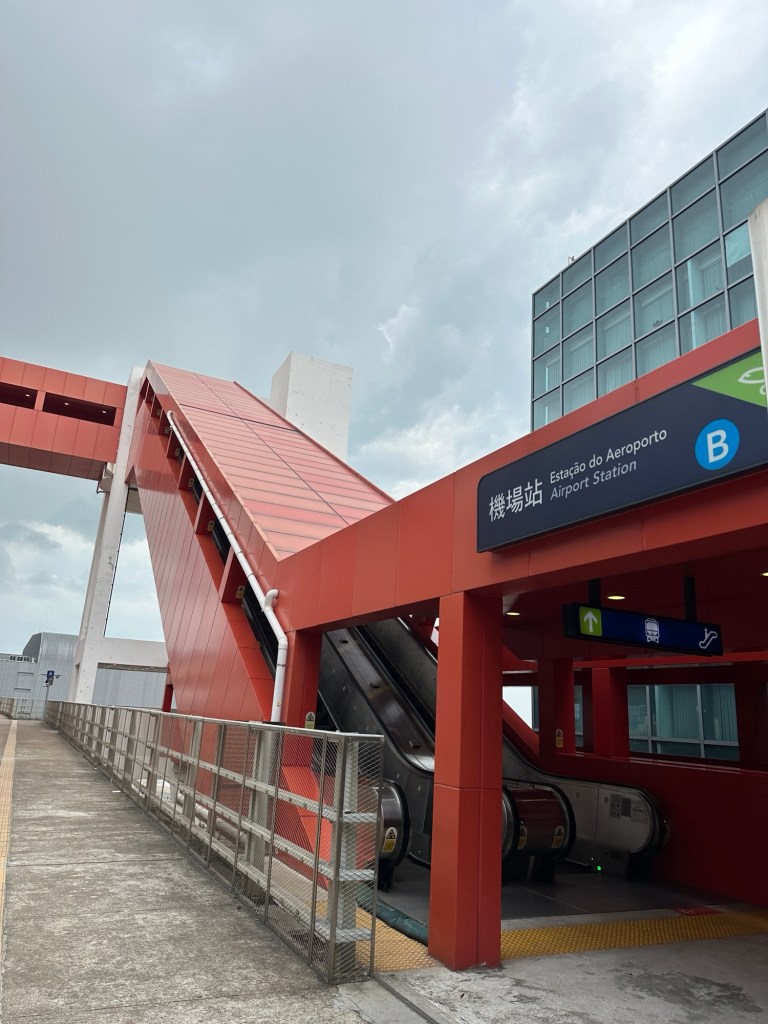
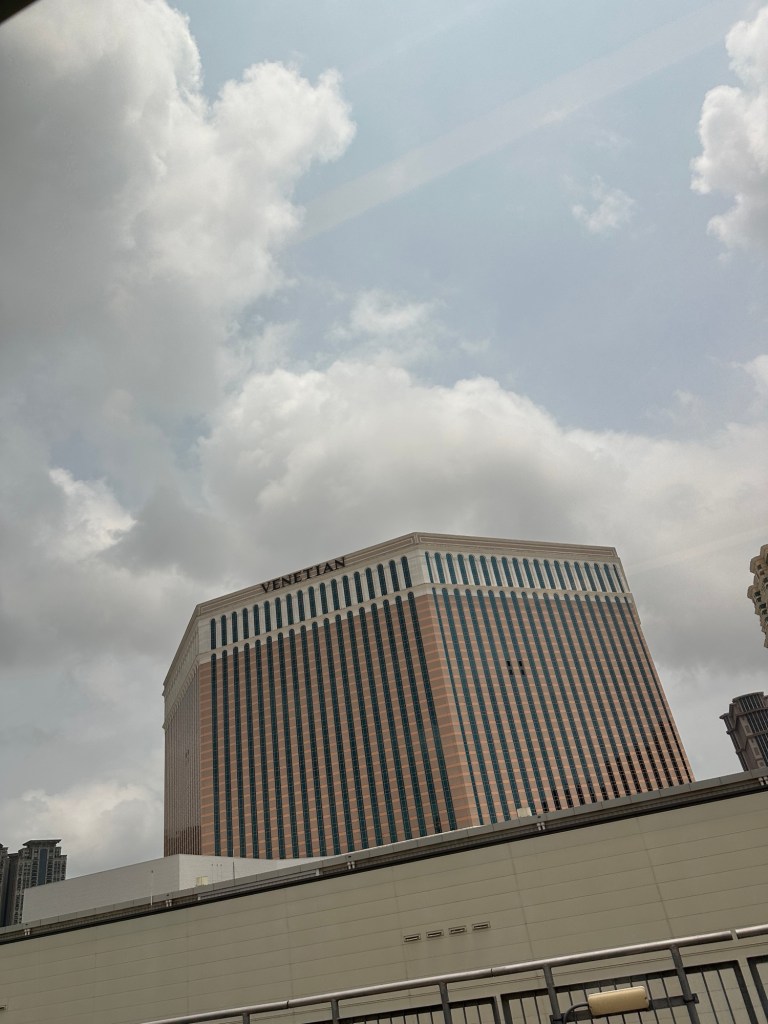
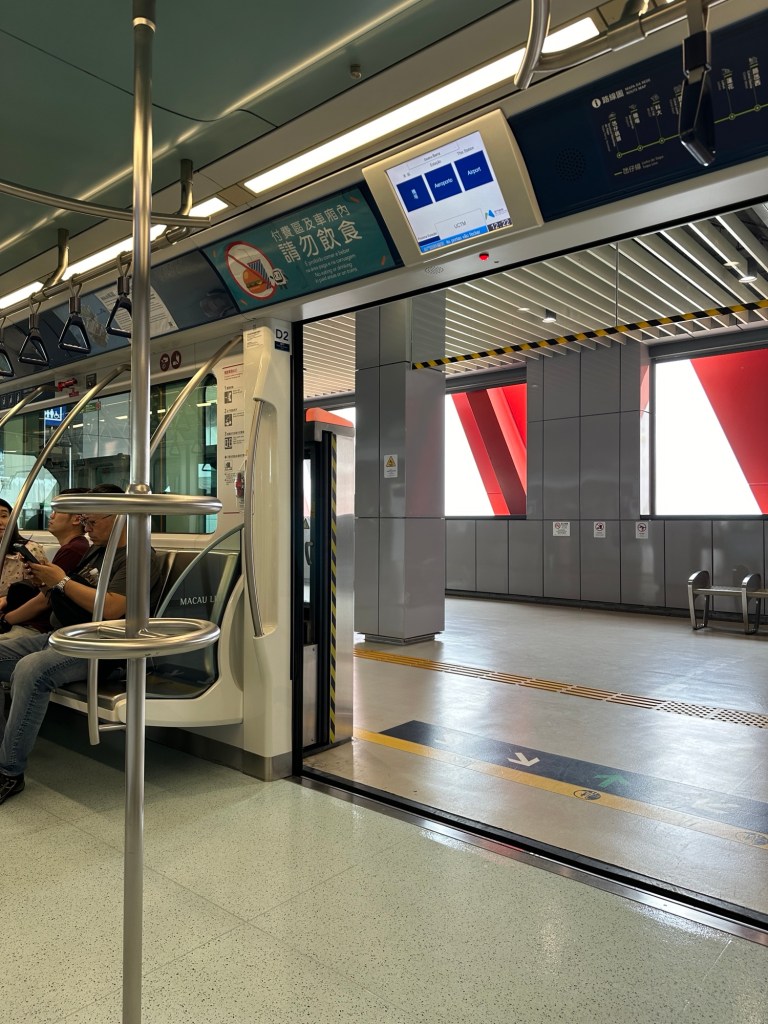
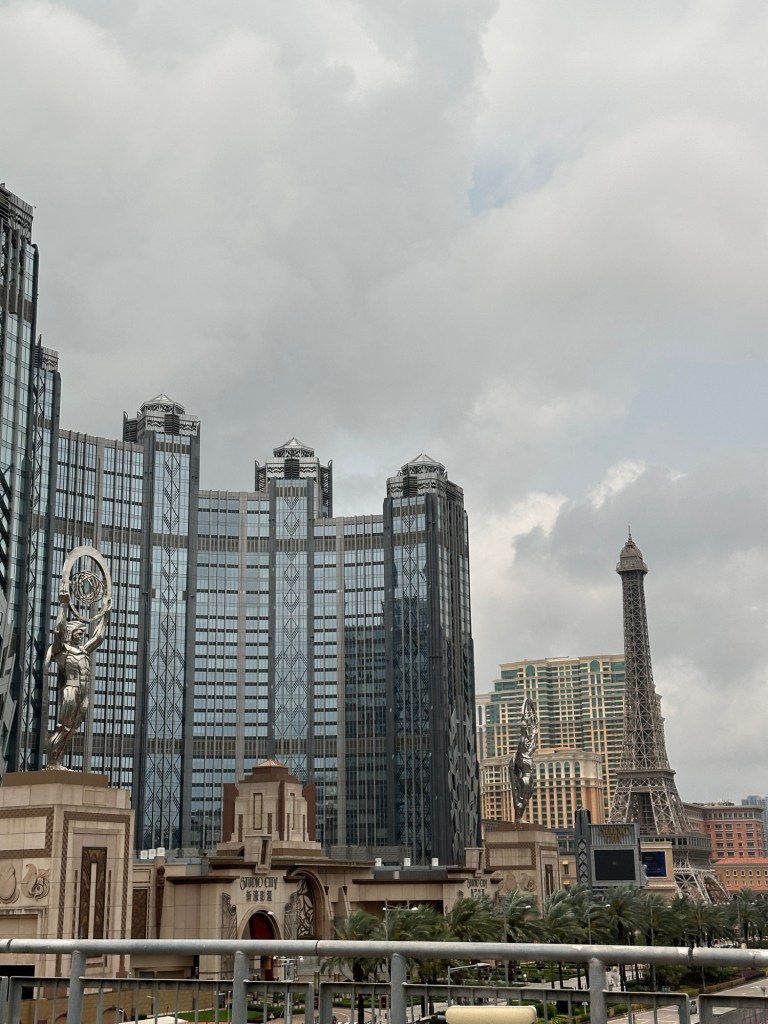
Macau's train system is a vital component of its transportation infrastructure, consisting of a well-developed railway network with a few lines serving the region. The history of the Macau train system dates back to its initial construction, which aimed to enhance connectivity and accessibility within the city. Over the years, the train system has evolved to meet the growing demands of the population and visitors, resulting in the expansion of its network and the introduction of modern amenities and technologies. With the increasing importance of sustainable and efficient transportation, the Macau train system continues to play a crucial role in the region's development and connectivity, providing residents and tourists with a convenient mode of travel across the city. (Swipe below photo for more pictures)
6.) Melbourne
The Melbourne Train System, also known as Metro Trains Melbourne, is an extensive network that serves the metropolitan area of Melbourne, Victoria. It operates on 16 electrified lines and covers a significant portion of the city and its suburbs. The history of the train system dates back to the 1850s when the first steam train service commenced between Melbourne and Sandridge (now known as Port Melbourne). Over the years, the network has undergone significant expansion and modernization to cater to the growing population and urban development. With a strong focus on providing reliable and efficient transport services, the Melbourne Train System plays a crucial role in the daily commute of thousands of residents and visitors, contributing to the vibrant and interconnected nature of the city.
7.) Metro Manila
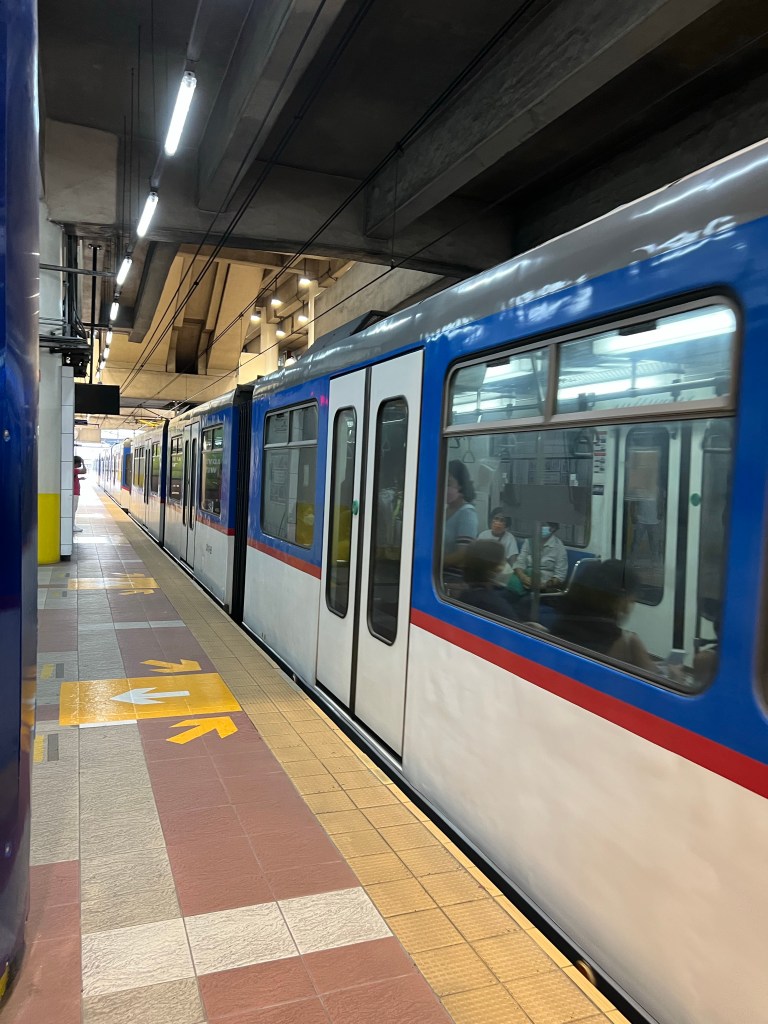
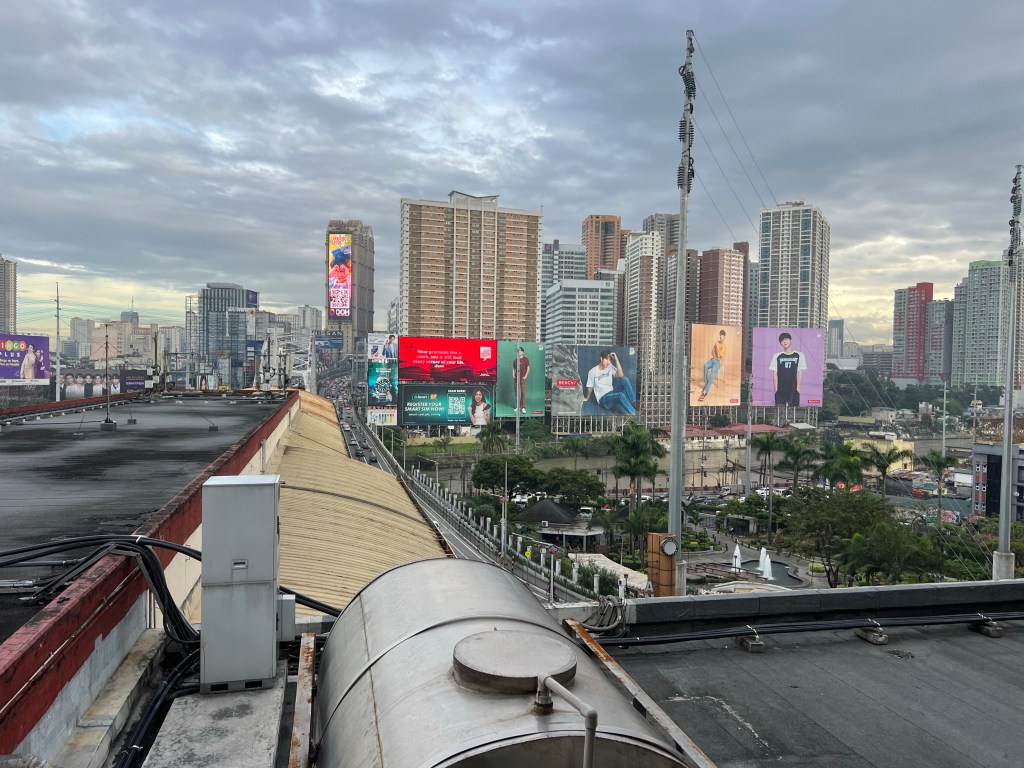
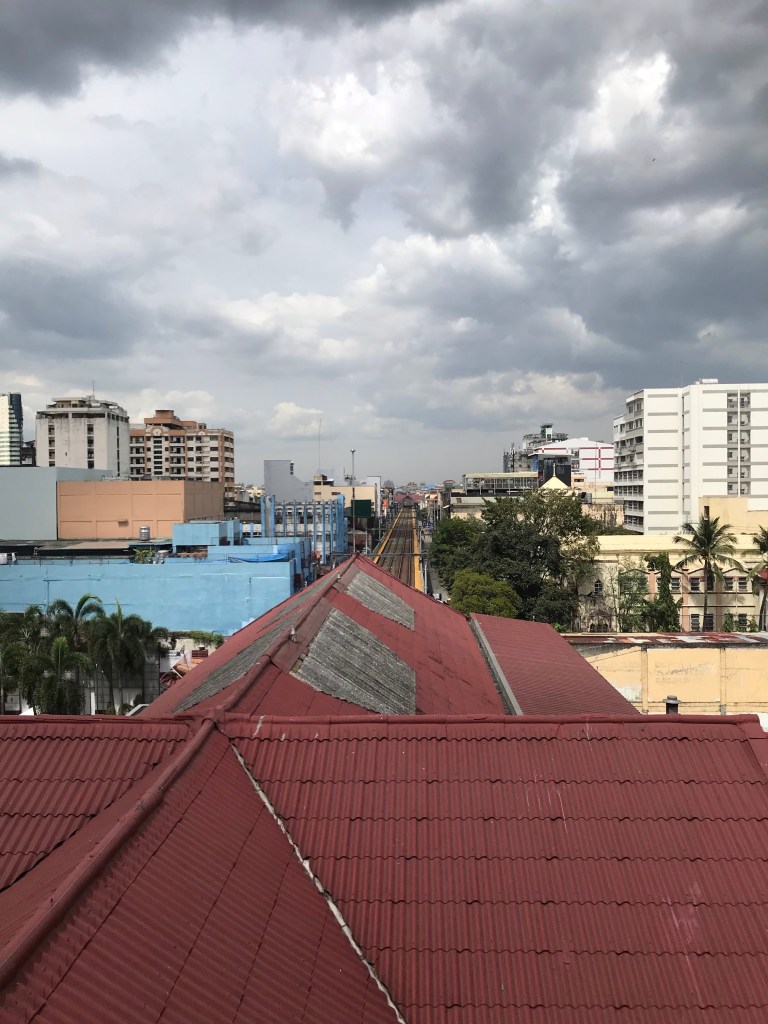
Metro Manila Train System is a vital mode of transportation for millions of commuters, consisting of several lines that connect key areas within the metro. The history of the train system dates back to the 19th century, with the first line constructed during the American occupation. Over the years, the network has expanded to address the growing demand for efficient public transportation. Despite facing challenges such as overcrowding and maintenance issues, the train system plays a pivotal role in easing traffic congestion and providing accessibility to various destinations across the metropolis. Additionally, recent initiatives and developments aim to improve the overall efficiency and service of the train system, indicating a continuous effort to enhance the commuter experience. (Swipe below photo for more pictures)
8.) New York
New York Train System, also known as the MTA, is one of the most extensive and complex public transportation systems in the world. It consists of an intricate network of subway lines, encompassing a total of 27 individual lines. The system has a rich history dating back to the opening of the first underground line in 1904, which revolutionized urban transportation and made New York City the bustling metropolis it is today. Over the years, the train system has expanded to serve millions of commuters and tourists, becoming an iconic symbol of the city. The MTA plays a crucial role in connecting the diverse neighborhoods of New York, providing an essential lifeline for residents and visitors alike. With its bustling stations, diverse range of train cars, and iconic signage, the New York Train System continues to be a vital and fascinating aspect of life in the Big Apple. (Swipe below photo for more pictures)
9.) Singapore
Singapore's train system, also known as the MRT (Mass Rapid Transit), boasts a well-developed network with several lines connecting key areas of the city. The system has evolved over the years to keep up with the growing population and urban development, expanding to cover more ground and serve a greater number of commuters. Its efficient operation and punctuality have made it a popular choice for locals and tourists alike. With ongoing plans for further expansion and improvement, the Singapore train system continues to play a crucial role in the city's transportation infrastructure, contributing to its reputation as a well-planned and seamless urban environment. (Swipe below photo for more pictures)
10.) Sydney
Sydney's train system, known as Sydney Trains, is the suburban passenger rail network serving the city of Sydney, Australia. It consists of numerous lines that traverse the metropolitan area, connecting various suburbs to the central business district and beyond. The trains are operated by Sydney Trains, a subsidiary of Transport for NSW, and the network has a rich history dating back to the 19th century. Over the years, the system has expanded and evolved to meet the growing demands of the city's population, with upgrades to infrastructure, rolling stock, and technology. The network plays a vital role in the daily commute of thousands of Sydneysiders, providing an efficient and reliable mode of transportation for both work and leisure.
11.) Taipei
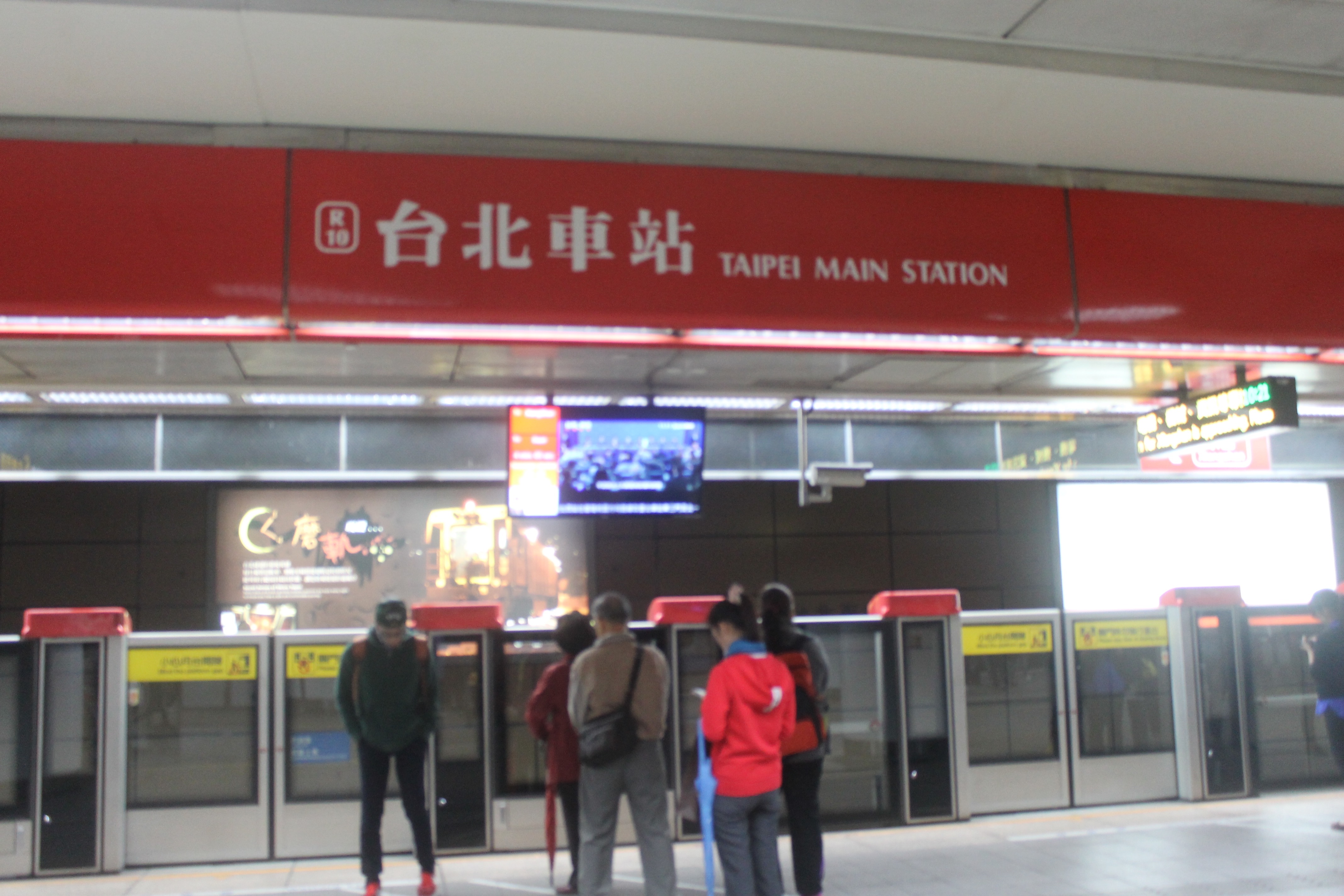
Taipei's train system is an extensive network that comprises numerous lines serving the city and its surrounding areas. With a history dating back to the early 20th century, the system has evolved to accommodate the growing population and urban development. Today, it consists of a diverse range of lines, including the Taipei Metro, the Taiwan Railway Administration (TRA), and the Taiwan High-Speed Rail (THSR), offering efficient and convenient transportation options for commuters and visitors alike. The ongoing expansion and enhancement of the train system demonstrate Taiwan's commitment to sustainable urban development and the facilitation of seamless connectivity across the region.
12.) Tokyo
Tokyo Train System is one of the most extensive and efficient in the world, with a total of 13 lines covering a vast area of the city. I have personally experienced the convenience of this intricate network, and although I didn't capture any photos at the time due to my preference for living in the moment without the distraction of documenting every detail of my journey, I was truly impressed by the punctuality and cleanliness of the trains. The variety of routes provided by the different lines made it remarkably easy to navigate the city, and the friendly and helpful staff ensured that my travel experience was smooth and enjoyable.



























No comments:
Post a Comment